A depot that still feels like it’s waiting for the next train
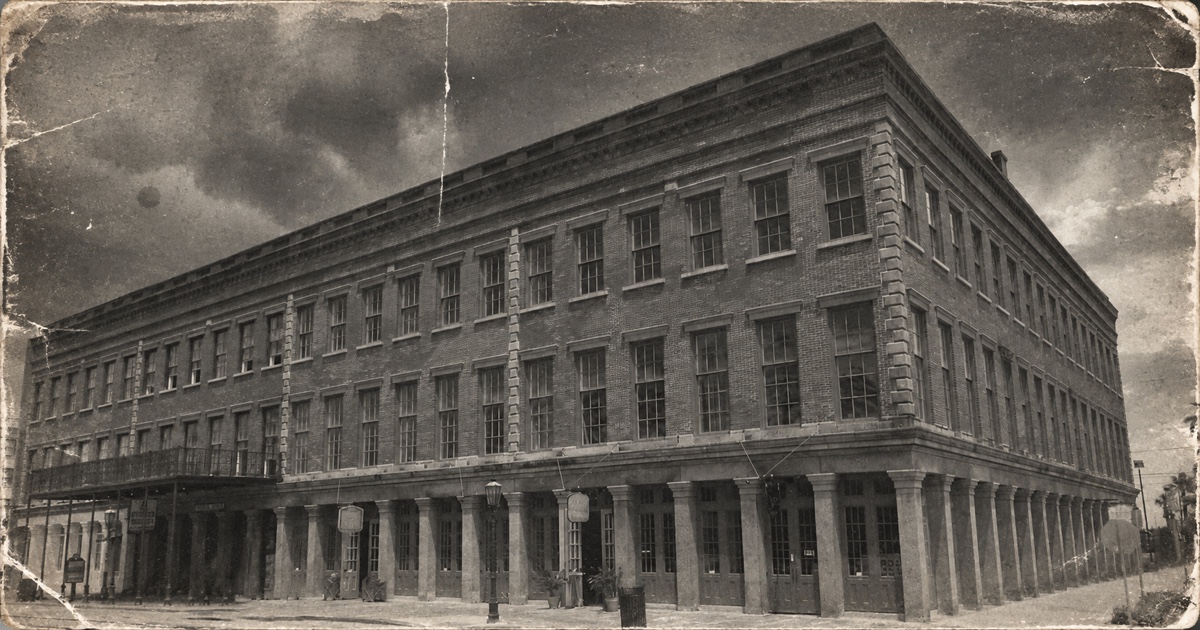
The Galveston Railroad Museum occupies a former Santa Fe depot in the Strand Historic District, where rail traffic once helped make the island a major Gulf Coast gateway. The museum’s own history traces the site back to Galveston’s first railroad depot in 1876, with the present 1932 depot standing as the better-known landmark today. That layered past gives the place an atmosphere that ghost stories can easily inhabit, even before anyone starts talking about apparitions. (galvestonrrmuseum.org)
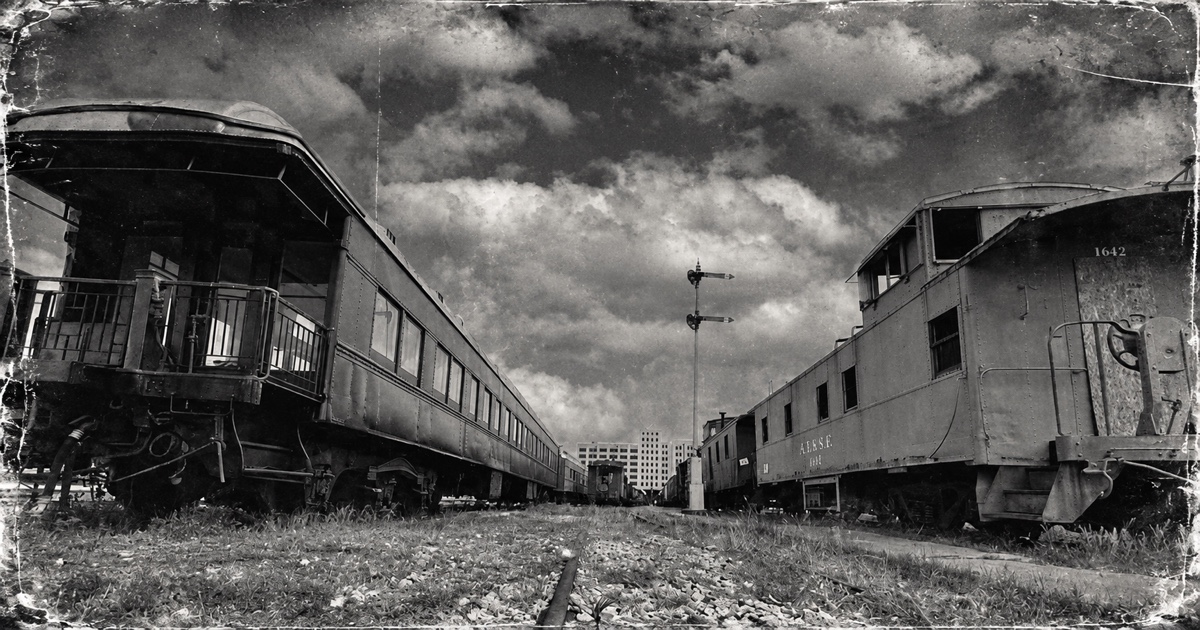
What visitors encounter now is part museum, part preserved rail yard: engines, railcars, and exhibits that interpret Texas railroad history rather than simply display old machinery. The museum describes itself as a living-history site, and its current programming includes tours, exhibits, and seasonal events. (galvestonrrmuseum.org)
Where the legend of the boy comes from
The best-known haunting associated with the museum is a story, repeated in local paranormal coverage, about a young boy said to have died in an accident on the tracks and later been seen running through the building. That account circulates as a ghost report, not a documented historical event, and reliable museum-history sources do not independently confirm the boy’s identity or the accident behind the legend. (chron.com)
That distinction matters. Railroad museums often sit on ground saturated with memory, loss, and movement, which is enough to generate folklore all on its own. A shadow crossing a hallway, a sudden draft, a sound in a car that has gone quiet, none of that proves a haunting, but it does help explain why railroad depots are among Texas’s most persistent settings for ghost stories. (galvestonrrmuseum.org)
The woman in period clothes, the watcher at the booth
Another recurring report describes a woman in period clothing, sometimes identified as a former employee, and a separate sense of being watched near the old ticket booth. Those details appear in the museum’s paranormal reputation, but they read as witness testimony and local legend rather than independently established fact. The available sources do not confirm the woman’s identity, the booth’s role in any historical event, or a specific death tied to either claim. (chron.com)
Still, the setting gives these stories a kind of narrative gravity. The museum sits in a district built on commerce, rail access, and rebuilding, and the depot itself is a preserved artifact of an era when stations were public thresholds: crowded, emotional places where arrivals and departures left their own residue. (atlas.thc.texas.gov)
What the building can tell us without any ghosts at all
The museum’s strongest claims are historical, not supernatural. Its location in the Strand Historic District places it in one of Galveston’s most important preserved commercial corridors. The depot’s survival, and the museum’s collection of rolling stock and railroad artifacts, make it a rare place where the city’s transportation history is visible in three dimensions. (atlas.thc.texas.gov)
That matters because haunted-history stories usually land best when the real history is solid. At the Galveston Railroad Museum, the verified story is already compelling: a depot connected to the city’s rail era, a museum preserving old equipment, and a site that remains closely tied to the Strand’s historic identity. The ghost tales do not need to be exaggerated to feel right. (galvestonrrmuseum.org)
Why the haunting survives the fact-check
The museum’s paranormal reputation has endured in part because the stories are elastic. A boy running through a hall, a woman in old-fashioned dress, a presence near the ticket booth, none of these claims depends on a single verifiable event, yet each fits the visual language of the building itself. That is often how a ghost story survives: not through proof, but through a place that seems to invite interpretation. (chron.com)
Whether the sounds and sightings come from suggestion, history, or something harder to name, the Galveston Railroad Museum remains an unusually fitting stage for them. The depot still stands in a district shaped by arrivals, departures, and recovery, and that may be the real source of its unease. The unresolved question is not whether the museum has ghosts, but why certain old stations seem to gather them so readily. (atlas.thc.texas.gov)