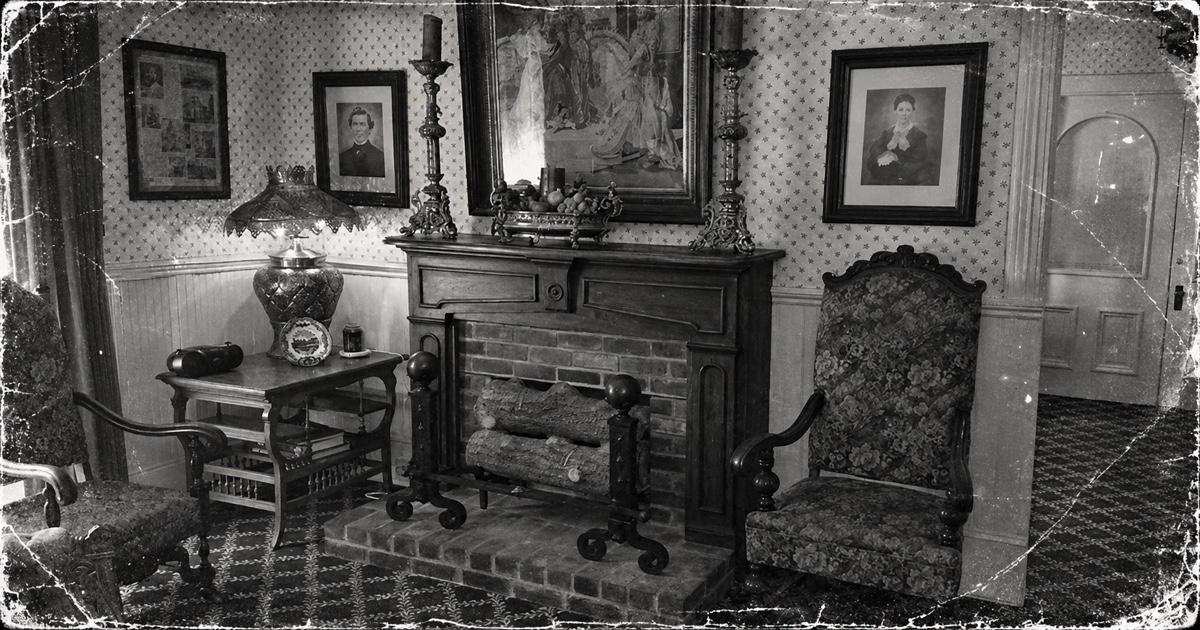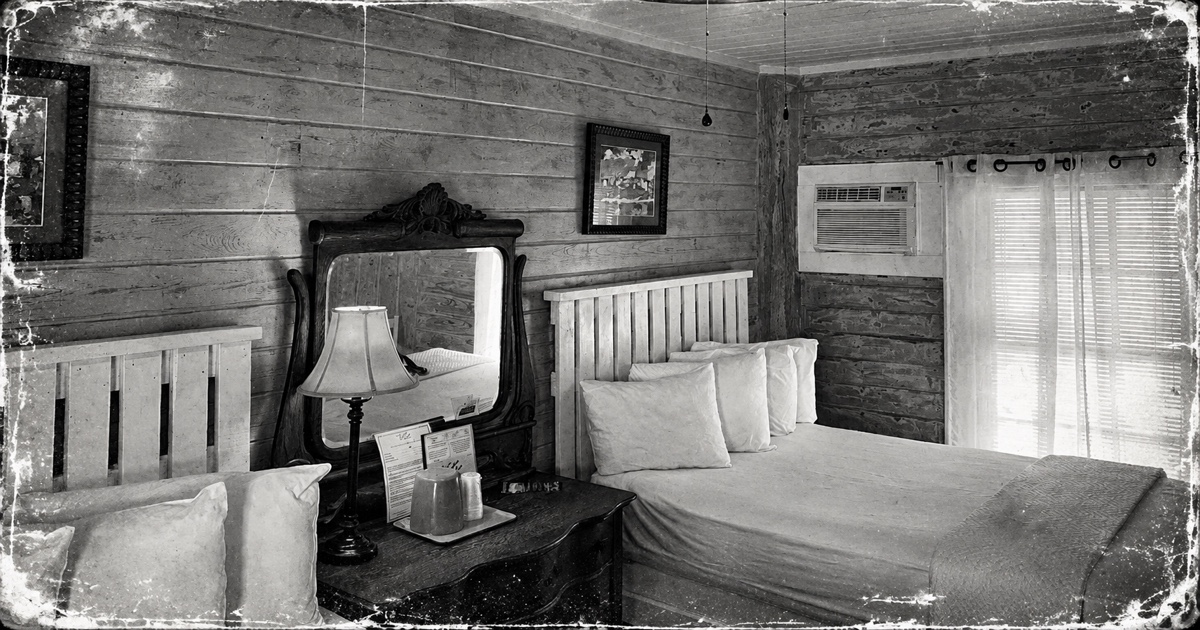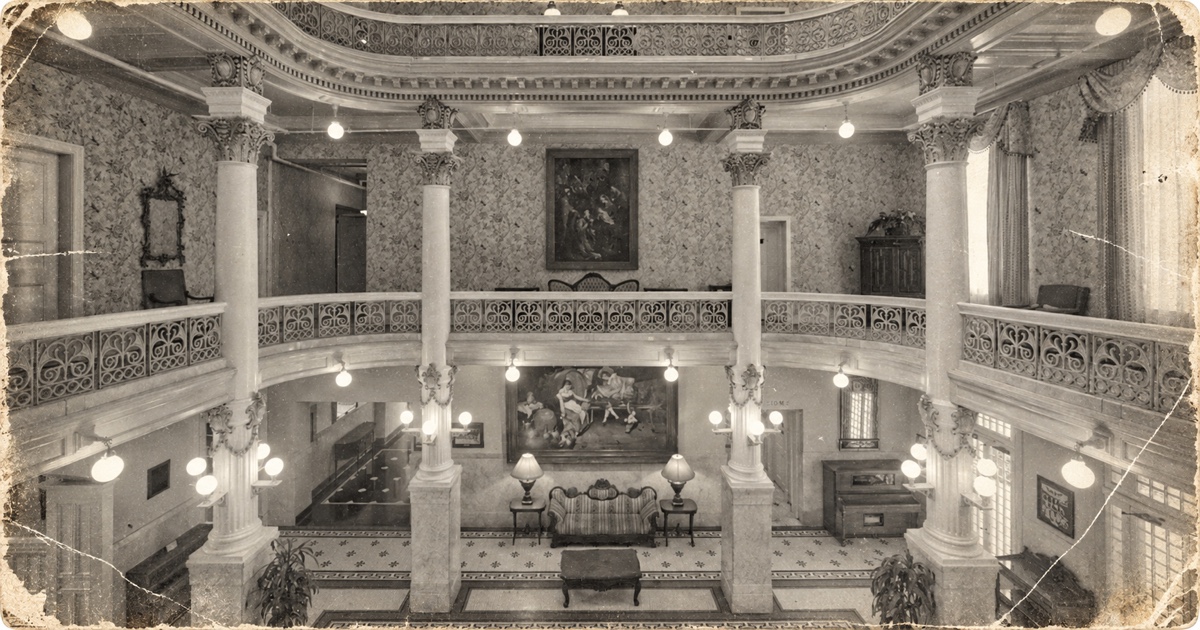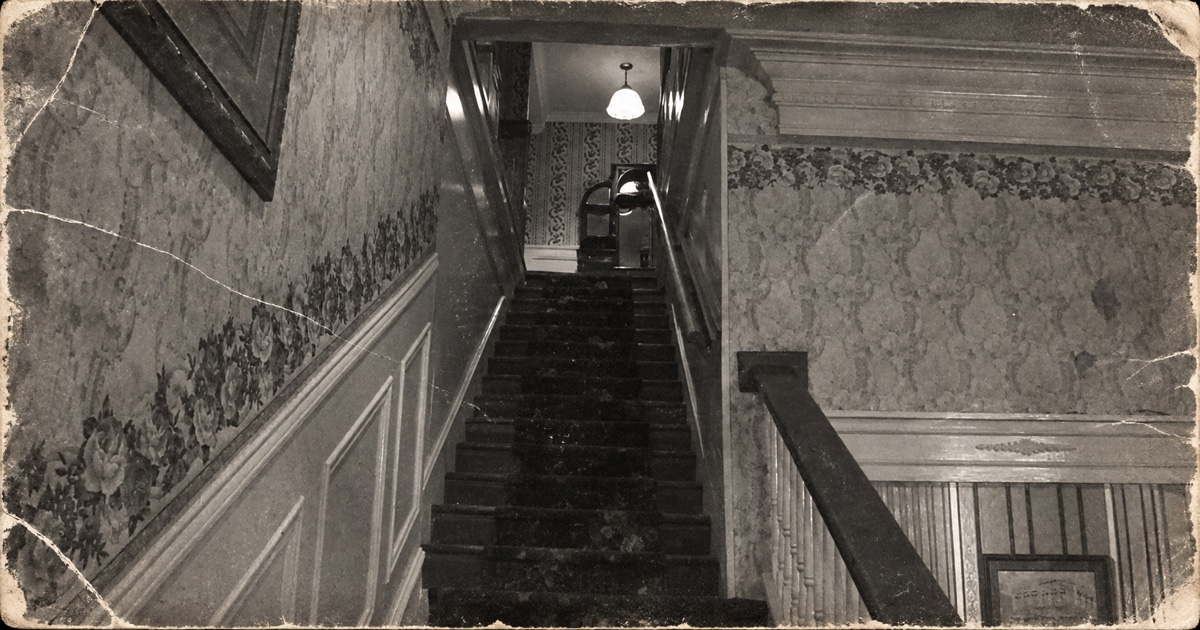
A Hotel Built in Jefferson’s Boom Years
The building known today as the Jefferson Hotel sits in a town that prospered when river traffic still mattered and cotton could make a city. Jefferson rose in the mid-19th century as an inland port and commercial center, and the hotel’s origin story belongs to that era of warehouses, wharves, and fast growth. Local history materials describe the structure as beginning life as a cotton warehouse before it was adapted for lodging, though the exact dates and early use are often repeated with small variations in different retellings. What is clear is that the building is old, commercially important, and deeply woven into Jefferson’s historic district. (tshaonline.org)
The Mrs. Schluter Legend That Sticks
Much of the hotel’s ghost story centers on Mrs. Schluter, a name that surfaces in local and visitor accounts as a former owner or longtime hotel figure said to remain attached to the property. In the legacy Ghost Texas article, she is described as having run the hotel for more than thirty years. I could not verify that specific tenure in authoritative historical sources, so it’s best treated as local lore rather than established fact. Still, the Schluter name does appear in Jefferson’s historic record, and the family connection helps explain why the legend endured. In haunted-place storytelling, a recognizable family name can keep a building’s reputation alive long after the original room keys are gone. (visitjeffersontexas.com)
What Guests Say They’ve Heard After Dark
The paranormal claims attached to the Jefferson Hotel are the familiar kind that tend to gather around old lodging: children laughing in empty hallways, whispers, knocks, doors opening or shutting, cigar smoke with no visible source, faucets turning on in the night, and the sensation of being touched when no one is there. These are witness reports and folklore, not independently confirmed events, but they form the hotel’s modern identity as much as its architecture does. The strongest recurring detail is that some rooms are said to be busier than others, with rooms 19 through 25 often cited by guests and local ghost-story retellings as the most active stretch of the building. That sort of clustering is common in haunted hotels, where one hallway can become a magnet for every strange draft, old pipe rattle, and suggestive shadow. (historygoesbump.blogspot.com)
Why Jefferson Keeps Feeding the Story
Jefferson itself is part of the explanation. The town’s preserved streets, old commercial buildings, and steady emphasis on heritage tourism create an atmosphere where ordinary creaks can feel charged. The city promotes its historic lodging, including the Excelsior House Hotel and other old properties, and describes Jefferson as a place where history is still visible in the built environment. That doesn’t prove a haunting, of course, but it does explain why the town is so fertile for one. In places like this, the boundary between documented past and ghost story gets thin fast. A house or hotel does not need proof of the supernatural to feel haunted; sometimes age, memory, and repetition are enough. (visitjeffersontexas.com)
The Unanswered Question in the Hallway
The Jefferson Hotel endures because it has both ingredients a haunted place needs: a credible old-building backstory and a steady stream of stories that refuse to settle down. Its history is real, even where the details get fuzzy. Its ghost reports remain unverified, even where the descriptions sound vivid enough to remember. That tension is what keeps the hotel interesting. Whether the footsteps belong to a spirit, a settling floor, or the power of suggestion, the building still knows how to make people listen when the hallway goes quiet. (jeffersonpalace.myshopify.com)