Where the Frontier Pressed Up Against Stone
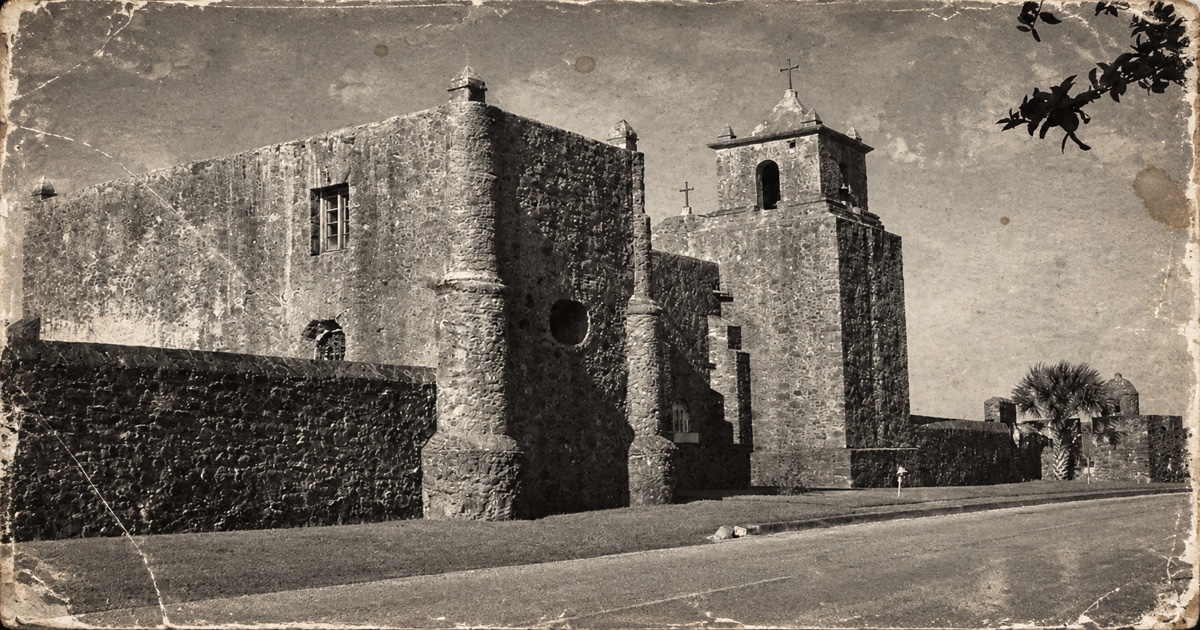
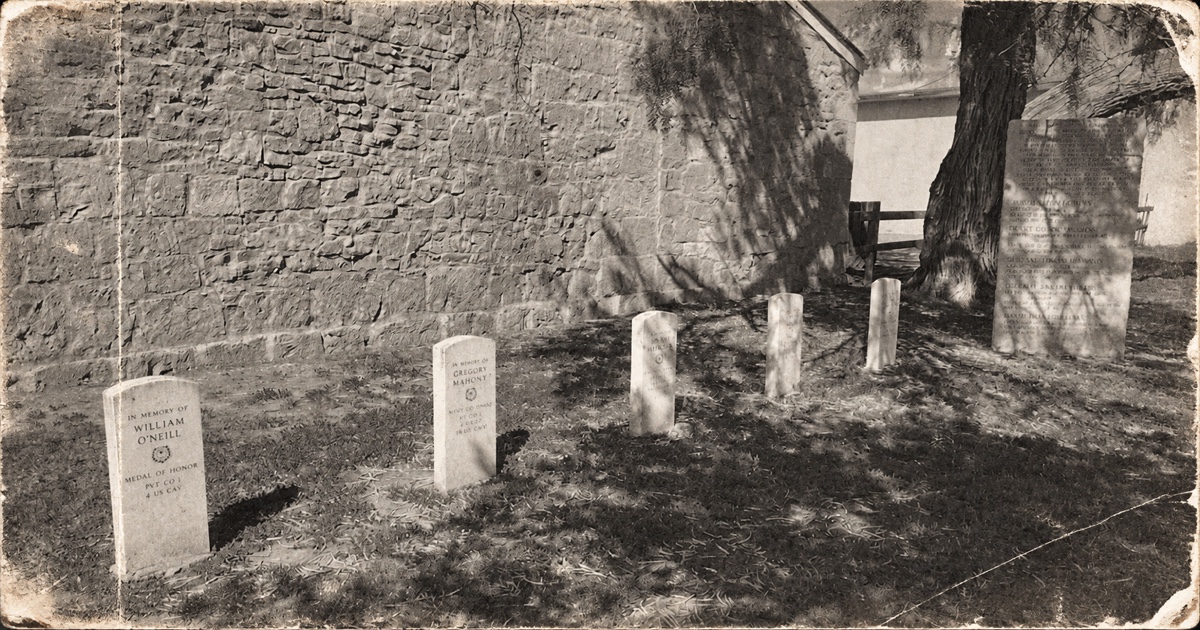
Fort Concho’s reputation for ghost stories starts with a place that already feels charged by history. The post was established in 1867 at the junction of the Concho rivers in what became San Angelo, and it quickly became one of the U.S. Army’s key frontier stations in West Texas. It was a working military post, not a theatrical backdrop: soldiers rode patrol, guarded settlements and trails, and helped shape the town that grew across the river. The fort was abandoned in 1889, but its restored buildings remain among the most important surviving reminders of the frontier army in Texas. (tshaonline.org)
What the Record Says About Fort Concho
The documented history is sturdy enough on its own. Fort Concho served as regimental headquarters for several units, including the Tenth Cavalry, known as the Buffalo Soldiers, from 1875 to 1882. Its stone structures included a hospital, schoolhouse, guardhouse, commissary, and officer quarters, and by the late 1870s it had become a substantial military installation with dozens of permanent buildings. Today it is preserved as a National Historic Landmark and interpreted through museum exhibits, living history, and community programs. (tshaonline.org)
The Ghost Stories People Keep Telling
The haunting claims cluster around the oldest, most human spaces on the post: the officer quarters, the hospital, the chapel, and the barracks. Local reports and paranormal retellings describe footsteps in empty rooms, sudden cold spots, doors that move on their own, and shadowy figures in the dim interiors. Those are witness claims, not verified events, but they persist because Fort Concho’s buildings preserve the acoustics, shadows, and silence that can make ordinary sounds feel suggestive. A 2013 San Angelo Standard-Times ghost-hunt account, for example, centered on stories about Edith Grierson, a child who reportedly died of typhoid fever in the officers’ quarters in 1878, and on the uneasy atmosphere of the room where her portrait hangs. (archive.gosanangelo.com)
Edith Grierson and the Weight of a Single Room
Edith Grierson’s name has become one of the best-known threads in Fort Concho folklore. The newspaper account places her death in Officers Quarters No. 1 and ties the story to the east bedroom where visitors and investigators have long focused their attention. That is a very different thing from proving a haunting, but it helps explain why the story lingers: old military posts preserve family life, illness, grief, and mortality as much as they preserve strategy and frontier defense. In a place like this, a child’s death can become the emotional center of a legend even when the paranormal claim itself remains unconfirmed. (archive.gosanangelo.com)
Why Fort Concho Feels Haunted Even Without Proof
There are practical reasons Fort Concho lends itself to ghost lore. The buildings are old, the rooms are sparse, and the stone construction holds sound differently than modern interiors. At night, a draft through a corridor or a settling floorboard can feel like movement with a purpose. Add the fort’s documented history of military life, wartime tension, illness, and loss, and it becomes easy to see how the site accumulated stories of lingering presences. None of that proves a ghost; it does explain why the legend is so durable. The human mind tends to complete the picture when the setting already supplies the mood. (tshaonline.org)
A Living Landmark, Not Just a Haunted One
What makes Fort Concho unusually compelling is that its history is still visible in the architecture. The commissary storehouse is cited as the oldest building in San Angelo, and the fort’s restored layout still allows visitors to stand inside the same broad military footprint that once housed cavalry companies, hospital care, school lessons, and daily frontier routines. That kind of preservation keeps the place from becoming a vague haunted-house story. It anchors the legend in something real, measurable, and documented. The ghosts may remain unproven, but the setting that inspired them is unmistakably authentic. (tshaonline.org)
At Fort Concho, the unresolved question is not whether history happened there, it plainly did, but which of its quieter moments have been transformed into stories that still echo through the quarters and corridors after dark.