The field that turned into a name
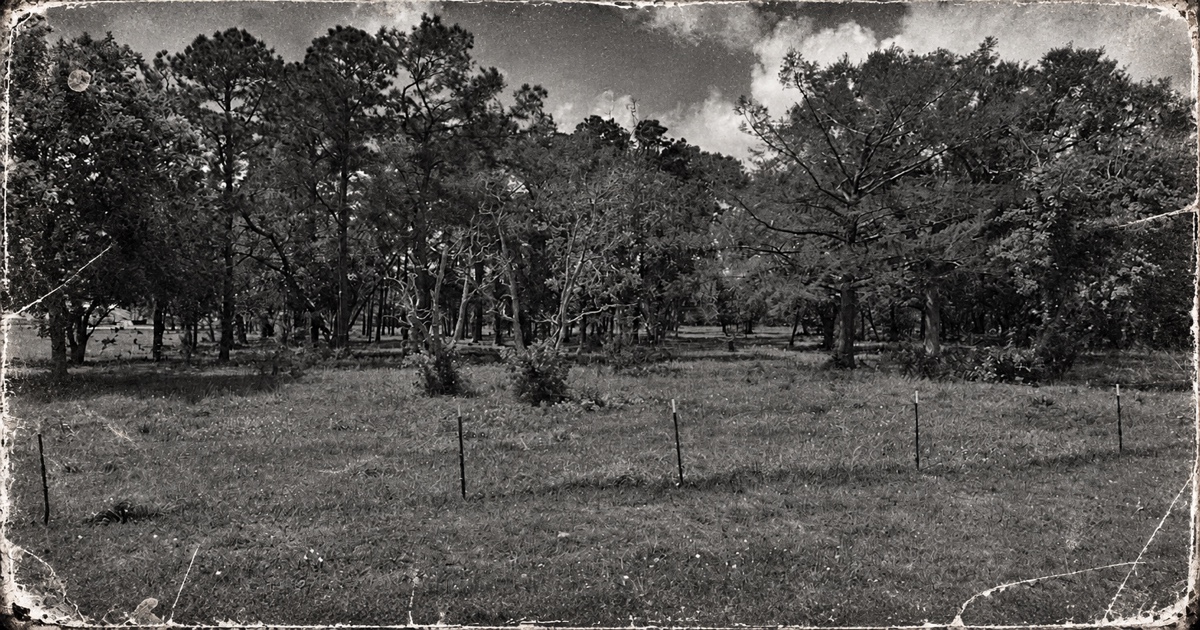
Along Calder Road in League City, a stretch of land south of Houston became known by a nickname that now carries far more weight than the roadside itself: the Texas Killing Fields. The phrase points to a cluster of unsolved murders and disappearances tied to the area, not to a single event or a confirmed single killer. That distinction matters. The legend grew around a real set of cases, but the mythology around them often runs ahead of the evidence.
What is firmly documented is that bodies of multiple women were discovered in or near this field between the 1980s and early 1990s, and several of those murders remain unsolved. The FBI has described the location as a rural field off a dirt road between Houston and Galveston where victims’ lives appear to have ended in the same place. (fbi.gov)
Calder Road, where the evidence keeps recurring
The best-known cases linked to the site include Heidi Fye, Laura Miller, Audrey Cook, and Donna Gonsoulin Prudhomme. FBI materials and local reporting place the discoveries in League City near Calder Road, with the cluster of cases stretching from the early 1980s into 1991. The area later became shorthand for the broader mystery, even though the phrase can blur together different victims, timelines, and investigative threads. (fbi.gov)
That blur is part of the problem. The old seed version of this story suggested the first known victim was found in 1971 and implied the site held the remains of more than 30 people. Reliable sources do not support that framing for the Calder Road case cluster itself. The documented “Killing Fields” label is tied to a smaller set of women found in League City, not a proven tally of dozens. (fbi.gov)
Why the theories spread so quickly
Where facts stop, theories rush in. Over the years, people have pointed at serial offenders, drug activity, oil-field traffic, and the isolation of the landscape as possible explanations. Some of those ideas have circulated because the area sat on the edge of development for years, with fields, service roads, and industrial sprawl creating places where someone could disappear more easily than they should have. That geography does not prove motive, but it does help explain why the case has stayed lodged in public memory. (fbi.gov)
The serial-killer theory has also gained oxygen from broader developments in cold-case work. The FBI has noted that Samuel Little confessed to murders across the country, and investigators have worked to test those claims against unsolved cases. But a confession, on its own, is not confirmation. In the Texas Killing Fields case, the important point is that law enforcement has continued to test leads rather than settle on a tidy answer. (fbi.gov)
When the case reentered the public eye
The Killing Fields have returned to headlines repeatedly, especially when new identifications or arrests reopen old wounds. In 2019, League City police identified two previously unidentified women from the Calder Road area, bringing names back to cases that had long been reduced to file numbers and newspaper shorthand. More recently, reporting from 2025 described renewed investigative activity in the area and noted arrests tied to some of the older deaths. Those developments do not erase the original uncertainty; they underline how much of the story remains active rather than historical. (houstonchronicle.com)
That ongoing work is one reason the location still resonates. The public often hears “Texas Killing Fields” and imagines a solved horror story, but the real record is more frustrating. Some victims have been identified. Some cases have been charged. Others remain unresolved, with details still disputed or incomplete. (houstonchronicle.com)
The haunting is real, even when the paranormal isn’t the point
There is a temptation to treat a place like this as haunted in the supernatural sense, and plenty of true-crime storytelling leans that way. But the deeper unease here does not require ghosts. It comes from the persistence of unanswered questions: why these women, why this corridor of land, and why so many years passed before some of the names were restored to the record.
For Ghost Texas, that is where the atmosphere lives, at the edge of documented tragedy, local memory, and unresolved suspicion. The field off Calder Road is not a confirmed paranormal site in the historical record. It is something harder to leave behind: a place where the facts are grim enough, and the gaps in those facts still wide enough, to keep the story breathing. (fbi.gov)