A ghost story that clings to a campus address
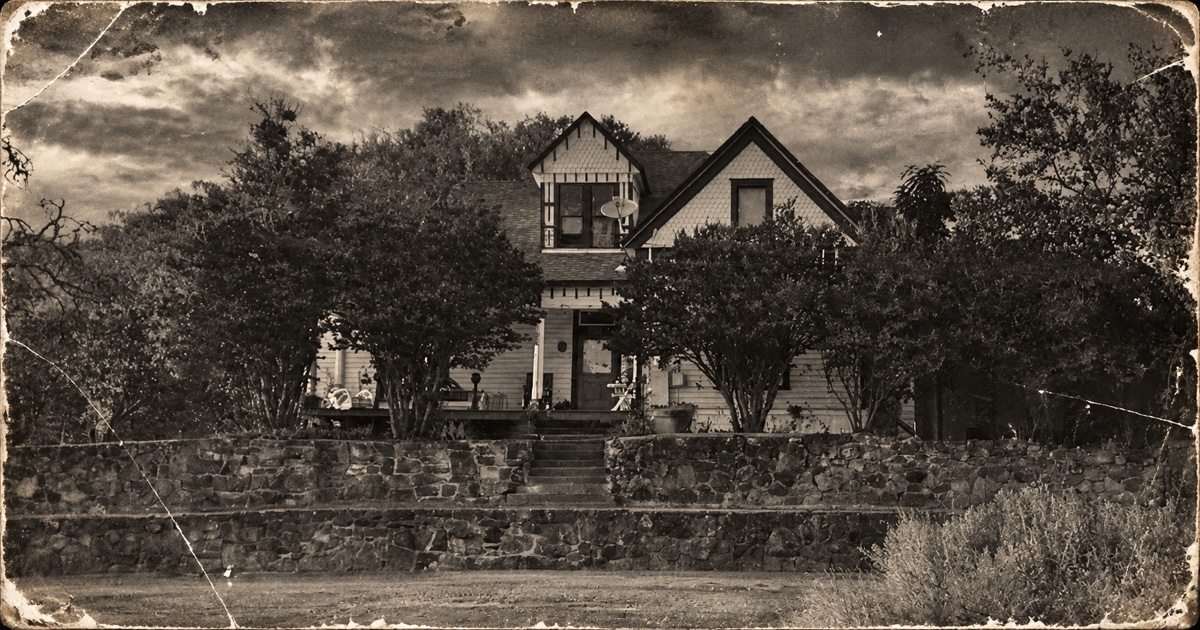
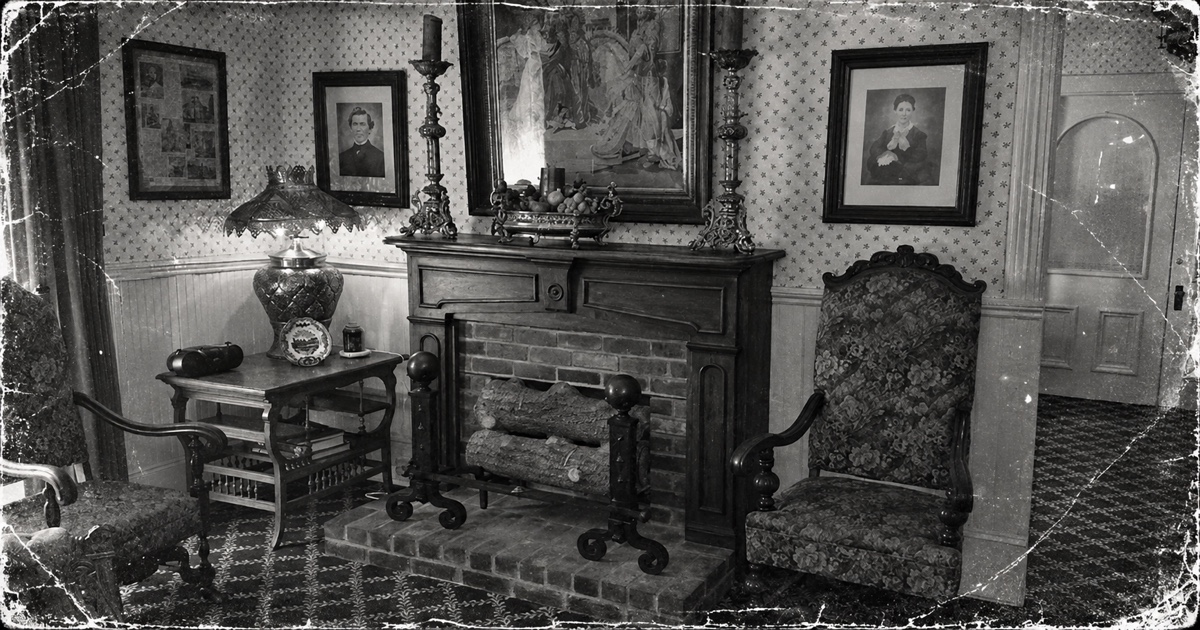
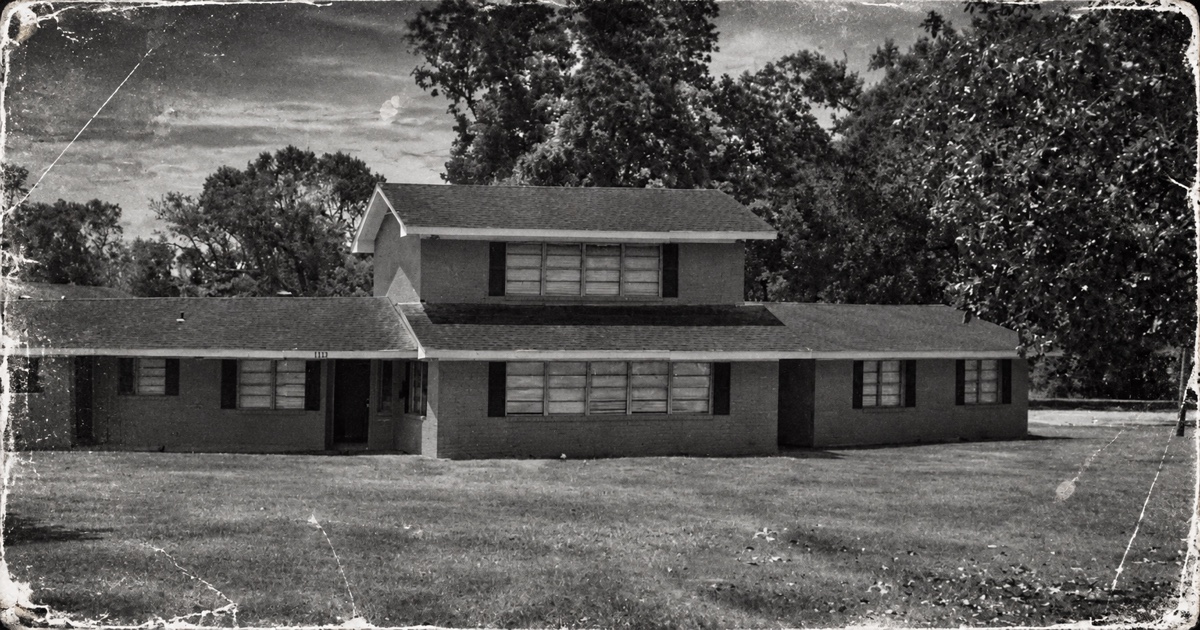
At Lamar University in Beaumont, the Sigma Phi Epsilon house carries a reputation that is equal parts campus lore and cautionary tale. The story most often repeated says a former fraternity member died in a hazing-related accident in the early 1980s, and that his ghost never really left the house. But the eerie parts of this account belong to legend, not verified campus history.
What can be confirmed is that Lamar University has long maintained an active Greek life system, and Sigma Phi Epsilon was once part of that fraternity landscape. Lamar’s own Greek-life materials now note that Sigma Phi Epsilon is no longer part of the university’s Greek Life community. (lamar.edu)
The legend: blindfolds, woods, and a fatal fall
The haunted narrative attached to the house has a familiar shape. In the version passed around online and on campus, a young man is said to have been blindfolded and led into the woods as part of an initiation ritual, then stumbled into a ditch, struck his head, and died. Some retellings place the incident in the early 1980s and leave the victim unnamed.
That is the point where the trail goes cold. In the source material available for this story, the death is presented as legend rather than documented fact. No reliable source surfaced that independently confirms the identity of the alleged victim, the date of the incident, or the hazing-specific chain of events described in the rumor. The unresolved nature of those details matters, because campus ghost stories often grow sharper with each retelling. (lamar.edu)
What the records do and do not support
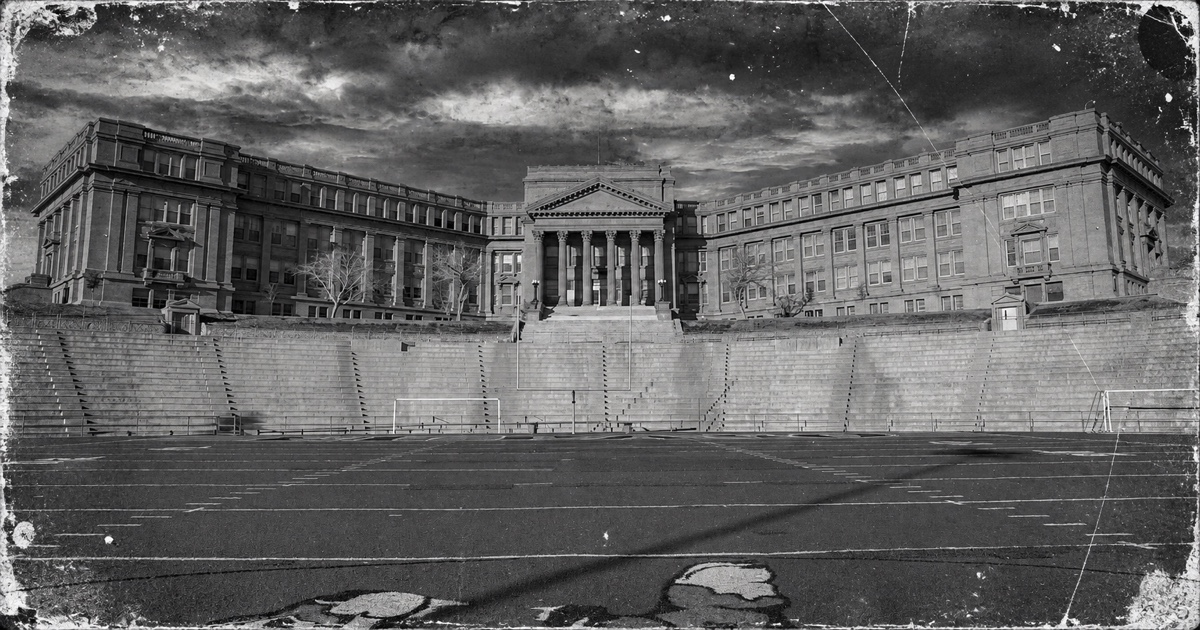
Lamar University’s published history places the school in Beaumont and traces its roots back to 1923, but those institutional records do not support the more dramatic elements of the fraternity-house legend. The university’s Greek-life pages also show that Sigma Phi Epsilon existed within Lamar’s fraternity system at one time, while later material notes its removal from that community. (lamar.edu)
The strongest dated evidence tied to recent Sigma Phi Epsilon trouble at Lamar comes from January 2020, when a local news report quoted a chapter being immediately disbanded after a hazing allegation surfaced. That report is about a modern disciplinary action, not the early-1980s death claimed in the ghost story. The two events should not be collapsed into one another just because the names match. (lamar.edu)
Why this story keeps returning
Fraternity haunting stories tend to survive because they sit at the intersection of memory, punishment, and campus anxiety. They are easy to repeat, hard to prove, and rooted in a setting where secrecy and tradition can make rumor feel plausible. In that sense, the Sigma Phi Epsilon house legend is less a clean paranormal case than a story about what people think happened behind closed doors.
That does not make the atmosphere any less strange. If students and locals say they have seen a figure in a window, heard a voice in an empty hall, or felt a presence in the house, those are witness reports, not independently verified evidence. They may reflect an actual experience, an embellished retelling, or a place so saturated with rumor that every sound starts to feel intentional. Without a documented death attached to the legend, the story remains suspended between campus folklore and possible misremembered history. (lamar.edu)
A house, a rumor, and an unanswered name
The enduring unease around Sigma Phi Epsilon at Lamar University may come from the missing pieces as much as from the alleged haunting itself. There is a named institution, a real campus, a documented Greek-life presence, and a later hazing-related disciplinary report. What remains uncertain is the central claim that gave the ghost story its shape: a specific young man, a fatal initiation accident, and a spirit said to linger in the fraternity house.
For now, that leaves Beaumont with a familiar kind of campus mystery, one that asks not only who is said to haunt the house, but who first decided the story needed a ghost at all. (lamar.edu)