The old stage where stories linger longer than applause
The Angelo Civic Theatre in San Angelo carries the kind of reputation many old performance spaces eventually earn: not just historic, but rumored. The theater’s own history places it among Texas’ oldest community theaters, with roots reaching back to 1885, even though the current building is a later home for that tradition. That long continuity matters, because theaters that survive this long tend to gather memory, rumor, and a few stubborn ghost stories along the way. (angelocivictheatre.org)
What the building’s history can support
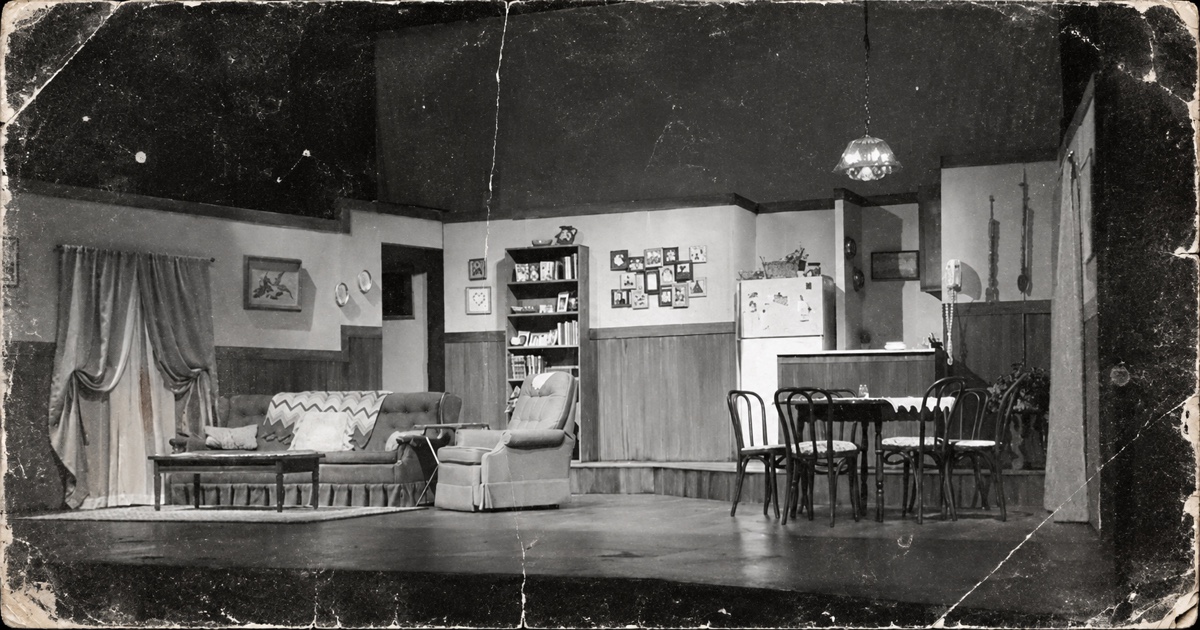
The clearest documented fact is that Angelo Civic Theatre is a longstanding volunteer community theater, and that its present-day work continues on a stage tied to San Angelo’s broader arts history. Sources from the theater itself describe it as one of the oldest community theaters in Texas, while local reference material places the current theater building in the former Parkway Theatre. Other accounts note the space’s later conversion from movie house to live performance venue. (angelocivictheatre.org)
That distinction matters. The legend-rich atmosphere of a venue is one thing; its exact architectural and use history is another. The old ghost article’s claim that the theater “was built in the 1920s” is too blunt to leave untouched. The better-supported picture is more layered: the organization dates to the 19th century, while the building now associated with Angelo Civic Theatre has its own later theater history and renovation history. (angelocivictheatre.org)
The young woman in the auditorium, as legend tells it
The most familiar haunting story attached to Angelo Civic Theatre is the one about a young woman said to have died in a car accident on the way to a performance. In the legend, her spirit remains tied to the building and is reportedly seen in the auditorium or backstage, sometimes seated among the audience, sometimes standing onstage, and sometimes heard singing or speaking during performances.
That story appears to survive through oral tradition and local haunting lore rather than independently verified reporting. No authoritative source surfaced here confirming the accident, naming the woman, or documenting a death connected to the theater. So the claim belongs to the category of ghost story: persistent, vivid, and still unresolved, but not established fact. (angelocivictheatre.org)
Footsteps, shadows, and the theater-fire story
A second account says a man died in a fire at the theater and is still felt there as footsteps, shadows, and movement in the area where the fire occurred. As with the young-woman story, this is an allegation rather than a documented conclusion. The theater’s available public history does not independently verify a fatal fire at the location, and the legacy article offered no source trail beyond the legend itself.
Still, theaters are natural incubators for this kind of tale. They are dark between shows, crowded with catwalks, curtains, lighting gear, backstage corridors, and the odd acoustic trick that can make a settling building sound like a footstep. None of that explains away a haunting report, but it does explain why old performance venues so often become the setting for one. That is especially true in spaces with long community memory, where every unexplained sound can pick up a story on its way out. (angelocivictheatre.org)
Why theaters collect hauntings so easily
If Angelo Civic Theatre feels haunted in the public imagination, it is probably because it already feels storied. The venue sits inside a larger San Angelo arts landscape that includes institutions and coalitions built around live performance, and its own history is tied to the city’s civic pride. A place with that much emotional investment can become a repository for more than productions alone. (sanangelopac.org)
There is also a practical reason these stories endure: theaters are active, changing places. People come and go in costume, in dim light, under time pressure, carrying ladders, props, and nerves. When someone later remembers a cold draft, a shadow at the wing, or a voice where no speaker was obvious, the building’s reputation is ready to receive it. The haunting may be unexplained, but the storytelling mechanism is not.
What remains after the lights go down
What can be said with confidence is simple: Angelo Civic Theatre is a genuinely historic San Angelo institution, and ghost stories have attached themselves to it in the familiar way they do to many old theaters. What cannot be said with confidence is that the young woman, the man from the fire, or the reported voices and footsteps have been independently confirmed.
That unresolved gap is exactly what keeps the place interesting. The documented history is real, the folklore is durable, and the theater itself still stands as the sort of room where both can share the dark. The question is not whether Angelo Civic Theatre has a past worth remembering. It plainly does. The question is which of its stories were written by people, and which, if any, were written by something else.