A historic cemetery pressed against Houston’s rush
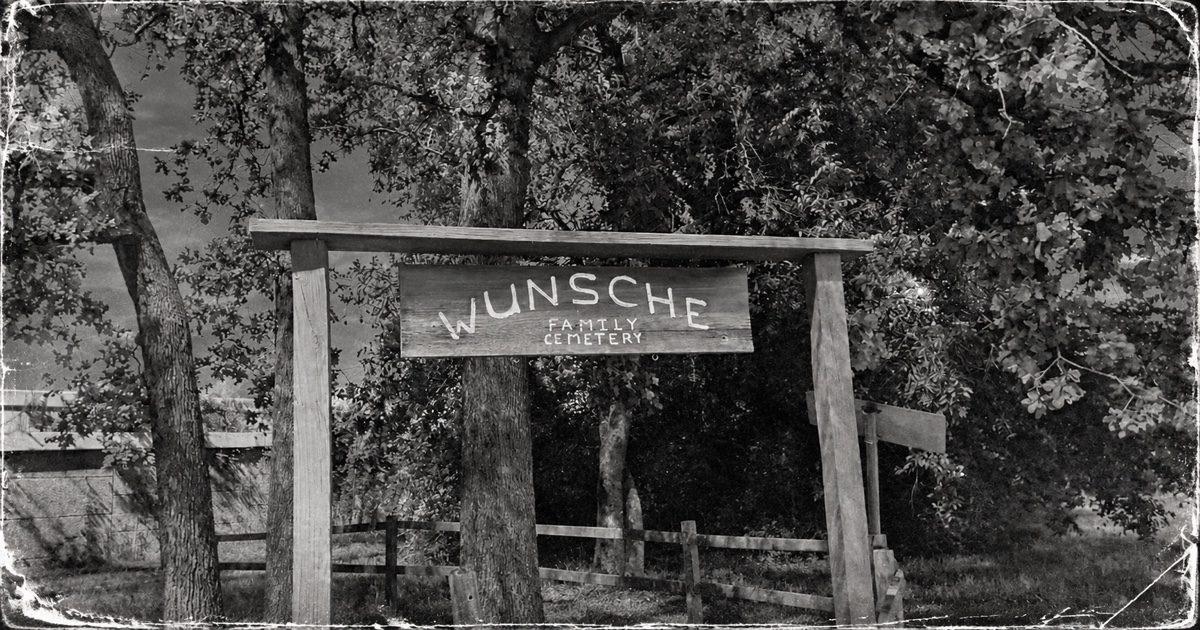
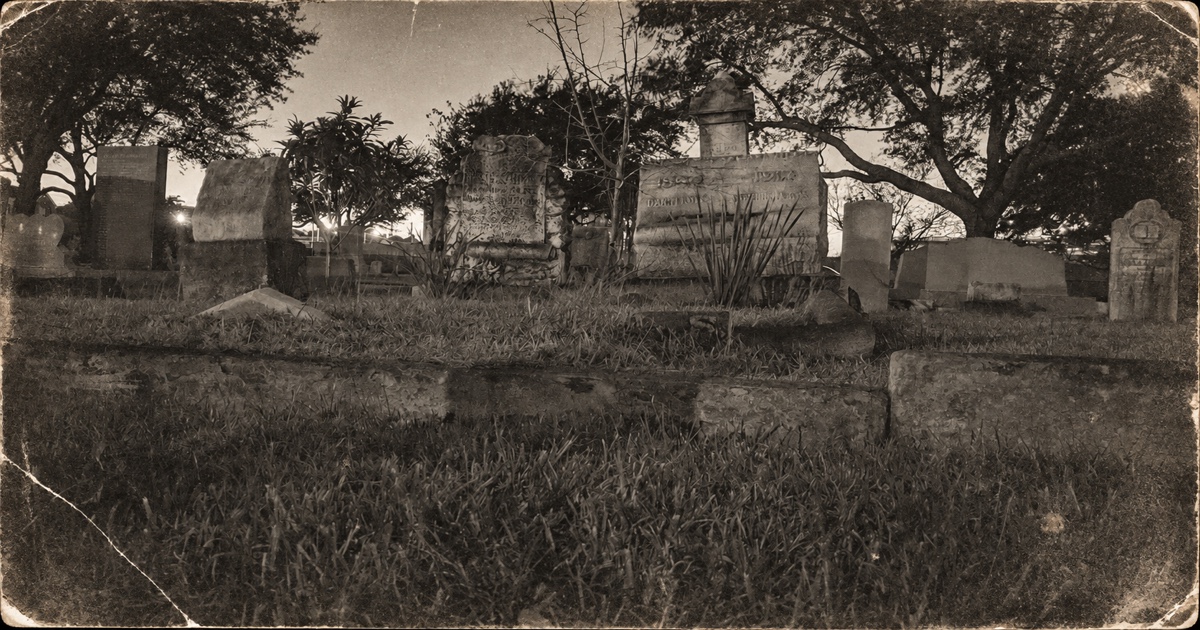
Magnolia Cemetery sits at 816 Montrose Boulevard, where Allen Parkway and Montrose carry a constant stream of traffic just beyond the walls. That contrast is part of its atmosphere: a calm, park-like burial ground holding a slice of old Houston in the middle of one of the city’s busiest corridors. The cemetery was established in 1884 by members of First German Methodist Church of Houston, later known as Bering Memorial Methodist Church, and the original name was Magnolia Graveyard. Burials were opened to nonmembers in 1892. Today, the cemetery is still operating as a nonprofit perpetual-care cemetery. (houstontx.gov)
From churchyard to city landmark
The documented history matters here because it explains why Magnolia feels older than the neighborhood around it. The Texas Historical Commission lists the cemetery as a Historic Texas Cemetery with burial dates beginning in the late 19th century, and the Houston marker materials place its key time period in the post-Reconstruction era. Houston later paved Allen Parkway in 1929, and the cemetery’s northern edge was ceded to the city, leaving Magnolia more enclosed than it once was. That physical compression, a burial ground trimmed by modernization, may be part of why the place still feels so distinct. (houstontx.gov)
The names the stones remember
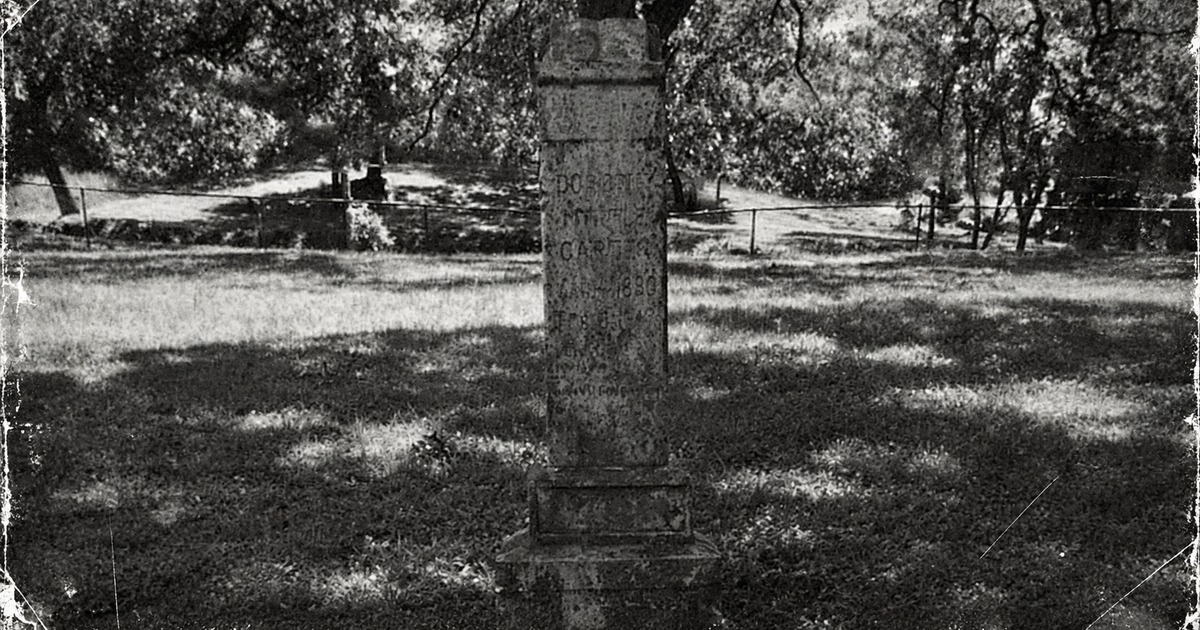
Magnolia’s burials reflect Houston’s social history, not just its death records. City materials describe it as the resting place of more than 3,800 people, including members of the Bammel, Wortham, and Halliburton families, along with Civil War veterans. The most widely recognized name associated with the cemetery is Gus Sessions Wortham, co-founder of American General Insurance, whose reported remark about choosing his final resting place to “keep an eye on things” has helped turn a family plot into a local talking point. That kind of anecdote can be memorable, but it belongs to the realm of family lore and historical retelling rather than hard proof of anything supernatural. (houstontx.gov)
Where folklore starts to gather
The paranormal claim attached to Magnolia is not a documented haunting with a clear chain of evidence. What survives in local retellings is the idea that the cemetery is cursed, or at least charged with a bad feeling that comes from its age, its prominent dead, and the uneasy proximity of the living city. That sort of story often grows around places where grief, wealth, memory, and development collide. In Magnolia’s case, the setting does a lot of the work: the cemetery is sealed off from heavy traffic, yet it remains visibly hemmed in by one of Houston’s major urban arteries. The result is less a scene of theatrical horror than a quiet suggestion that the past has not entirely stepped aside. (houstontx.gov)
The fire story that changed the tone
The older Ghost Texas version of this page tied Magnolia Cemetery to a 2014 five-alarm apartment fire nearby, implying the blaze carried some paranormal weight because it happened beside an old cemetery. The documented record supports a different, more ordinary explanation: Houston fire officials said the March 25, 2014 blaze at the Montrose-area construction site may have started during welding work, and wind helped drive the fire. The fire’s location near Magnolia Cemetery may have made the story feel eerie, but proximity is not causation. Still, the episode added another layer to the cemetery’s modern mythology, a reminder that old places can become part of a new story the moment something dramatic happens next door. (chron.com)
Why Magnolia still draws the curious
Magnolia Cemetery is not famous because of a single ghost story. It endures because it is a well-documented historic burial ground with a strong visual presence and a name attached to some of Houston’s better-known families. That combination makes it easy for rumor to settle in. The cemetery’s history is sturdy enough on its own: established in 1884, expanded beyond its original church-only use, and later recognized by the city and the state as a historic site. The unresolved question is not whether Magnolia has a ghostly reputation, it clearly does, but why certain cemeteries accumulate that reputation so efficiently while others remain only places of stone, shade, and names. Magnolia still leaves room for that question to hang in the air. (houstontx.gov)