A pioneer house where the dark seems to linger
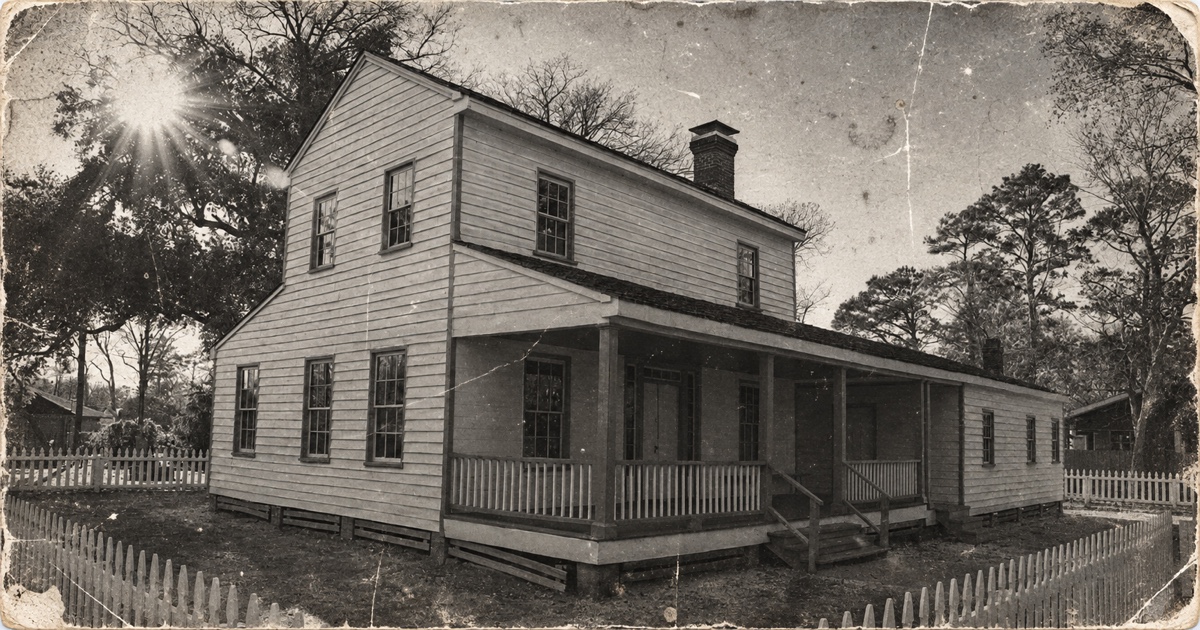
The John Jay French Museum sits in Beaumont as both a preserved landmark and a local ghost story with a long afterlife. The house itself is not in doubt: the Beaumont Heritage Society identifies it as a home built in 1845, and describes it as the oldest fully restored house in the city. French was a tanner and merchant, and the property has been interpreted as a window into prosperous pioneer life in Beaumont from 1845 to 1865. (beaumontheritage.org)
That is the solid ground. The haunting lore begins where the archive ends.
What the record says, and what the stories add
The museum’s documented history is straightforward: a mid-19th-century house preserved by the Beaumont Heritage Society, open for guided tours, school visits, and special programming. The society’s materials make no sweeping paranormal claims of their own on the main museum page; instead, they focus on restoration, interpretation, and public history. (beaumontheritage.org)
The ghost stories come from a different shelf. Local tourism writing has long repeated that the house is haunted, and that visitors and staff have reported shadowy figures, footsteps in empty rooms, cold spots, and unexplained noises. Those accounts are best understood as witness reports and folklore, not verified events. The stories persist in part because the house is old enough, quiet enough, and layered enough to invite them. (beaumontcvb.com)
The man at the top of the stairs
One of the best-known claims places a male figure on the staircase, often identified as John Jay French himself. In the legacy version of the story, he appears to be watching over the house he built. That idea fits the familiar shape of Southern haunted-house legend: the owner who never quite leaves, the stairs where a silhouette waits, the home that seems to remember its first family more vividly than the people passing through now.
But a familiar ghost story is still just that unless it is independently corroborated. At present, the safest way to tell it is as a reported apparition associated with the museum, not as established fact. The atmosphere is real; the identity of the figure is not confirmed. (beaumontcvb.com)
The woman in white and the bedroom rumor
Another recurring story says a woman in a white dress has been seen in the house, usually linked to French’s wife and to a bedroom where she is said to have died. Beaumont-area ghost guides and later paranormal roundups have repeated variants of this tale, along with claims about objects moving, doors opening or closing by themselves, and sudden cold spots. (beaumontcvb.com)
Here, too, the distinction matters. The museum’s historic significance does not require the supernatural claim to be true, and the supernatural claim does not become true because the house is old. What survives, instead, is a pattern of storytelling that attaches itself to a place people already find meaningful.
Why this house keeps its ghost stories
Beaumont has leaned into the interpretive side of local history for years, and the French House fits that tradition well. The Beaumont Heritage Society’s educational materials frame the site as a restored pioneer settlement, while outside tourism guides and paranormal writeups use the same setting to build a haunted narrative. Those parallel uses are not a contradiction so much as a reminder that historic sites often collect more than one kind of memory. (beaumontheritage.org)
The legacy article also repeated a nighttime-tour style story, but the museum’s current public materials emphasize guided daytime visitation and scheduled programming. If evening paranormal events are offered, they are separate interpretive experiences rather than evidence of a verified haunting. In other words, the house’s reputation keeps evolving even when the brick-and-wood reality stays put. (beaumontheritage.org)
The unresolved part is what keeps people coming back
The John Jay French Museum remains compelling because it holds two stories at once. One is documented: a restored 1845 Beaumont home tied to a prominent pioneer family. The other is a quieter, harder-to-prove claim: that something in the house still moves in the dark, pauses on the stairs, or watches from a bedroom doorway. (beaumontheritage.org)
That uncertainty is the enduring pulse of the place. The house has been preserved carefully enough to tell us how it lived; the ghost stories survive because they ask what, if anything, stayed behind when the family did.