Where the woods begin to feel louder
Camp Lula Sams has always seemed to collect stories as easily as it collects shade. Today the Brownsville property operates as Camp RIO, but the older name still carries the heavier folklore: a girls’ camp in the woods, an abandoned stretch of South Texas land, a place where people swear they heard something moving just beyond the trees. The setting does a lot of the work. Even before any ghost story is attached to it, the property already has the kind of stillness that can turn a snapped branch into a warning.
What makes the site especially interesting is that the history is real, while the haunting remains unproven. Camp RIO says it operates on the historic Lula Sams property and has offered outdoor education and day camp programming there since 2015, with overnight camp added in 2019. In 2025, Brownsville officials highlighted a new adventure course at Historic Camp Lulu Sams, underscoring that the land is very much active, not frozen in some permanently abandoned past. (camprio.org)
The Sams family behind the name
The “Lula Sams” in the camp’s name was not a campfire invention. Texas State Historical Association records identify Lula Sams as the mother of Gladys Sams Porter, a Brownsville philanthropist whose family foundation became a major force in South Texas civic life. TSHA notes that Gladys Porter moved to the Rio Grande Valley in the 1930s, and that the Earl C. Sams Foundation, originally formed in 1946, later supported a wide range of projects, including institutions in the region. The foundation itself says administration moved to Brownsville after Earl C. Sams died in 1950. (tshaonline.org)
That family history matters because it anchors the camp in something sturdier than rumor. The site is tied to South Texas development, philanthropy, and youth programming, not merely to the gothic image of a forgotten place in the brush. Those facts don’t cancel the local legends; they just keep them in their place. (camprio.org)
The drowning story that refuses to stay buried
The most persistent Camp Lula Sams haunting story is the one about a young girl who drowned in the swimming pool and is said to linger there. In some retellings, witnesses report seeing a figure near the water or a girl standing at the pool’s edge. Other versions place unexplained movement in the dining hall or among the surrounding buildings and woods.
None of that is independently verified in the sources available here, and that matters. It is better understood as local ghost lore and witness testimony than established fact. Still, legends like this tend to endure because they fit the emotional geometry of a place: children’s laughter, water, night air, and a property with enough age for memory to blur into story. The pool becomes a stage, and every ripple can feel loaded with meaning.
Why this place breeds reports of being watched
The broader atmosphere of the camp may explain why so many reports cluster around it. Old camps are full of thresholds, cabins, halls, trails, darkened edges of property lines, where ordinary sounds travel strangely and the mind starts building shape out of uncertainty. At Camp Lula Sams, the legend has a built-in framework: a former youth camp, a wooded setting, and a name that has circulated long enough to invite repetition.
There is also a practical reason hauntings survive in places like this. Once a story becomes attached to a location, every later experience gets measured against it. A creak in the rafters, a light in a window, a sudden chill after sunset: any of them can be folded into the existing narrative. That does not make the account false, but it does mean the story is always one step ahead of the evidence.
What the camp is now, and why that changes the mood
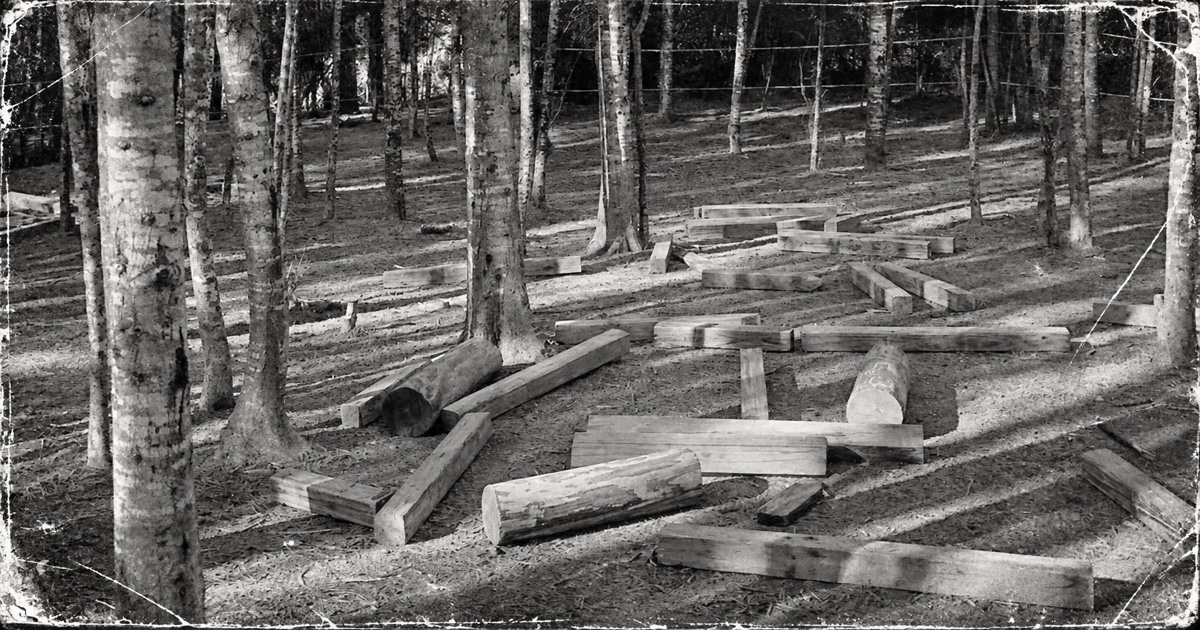
Camp RIO’s current use changes the haunting story in a subtle but important way. This is not simply an isolated ruin preserved in amber. It is an active recreational and educational site operating on a historic property, with city attention and continued programming. Brownsville’s 2025 announcement about the adventure course shows that the land is still being reshaped, reused, and reimagined. (camprio.org)
That does not erase the older stories. If anything, it makes them more interesting. Haunted places often feel static in the telling, but the best-known ones keep changing underfoot. Camp Lula Sams is now part of a living landscape rather than a sealed-off relic, which means the question is not simply whether a ghost remains there. It is whether the old legends can survive as the property moves further into the present.
And that may be the real spine of the Camp Lula Sams story: a place with documented roots in South Texas philanthropy and youth memory, shadowed by a haunting that remains unresolved, retold, and just elusive enough to keep people listening at the tree line.