A hundred years of stories can make a building feel crowded
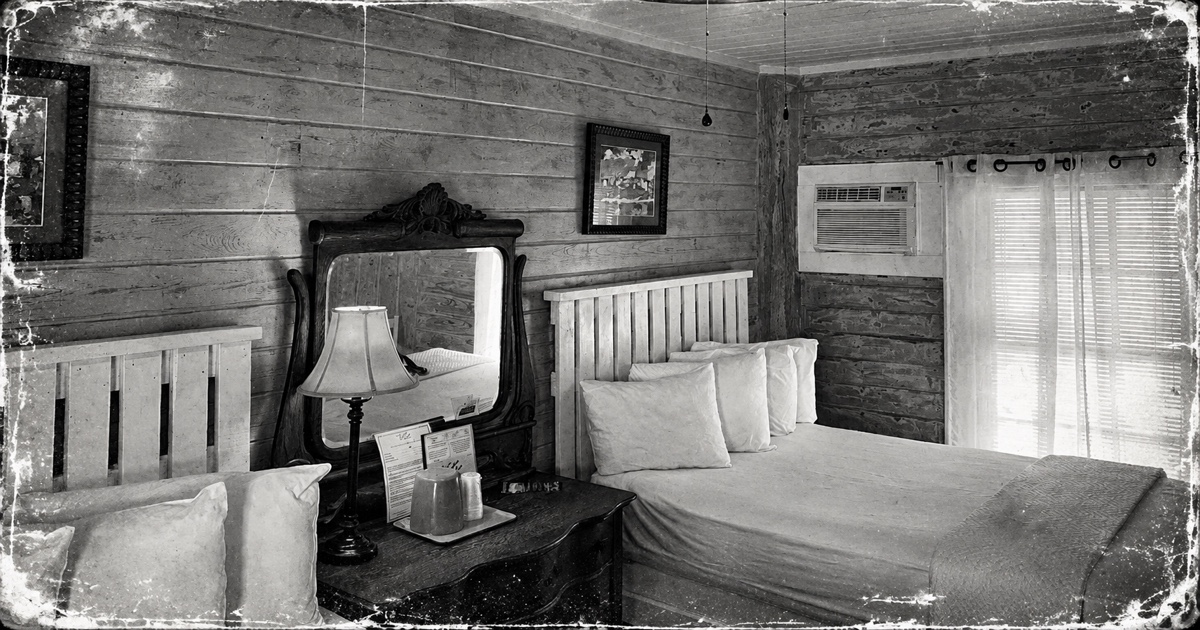
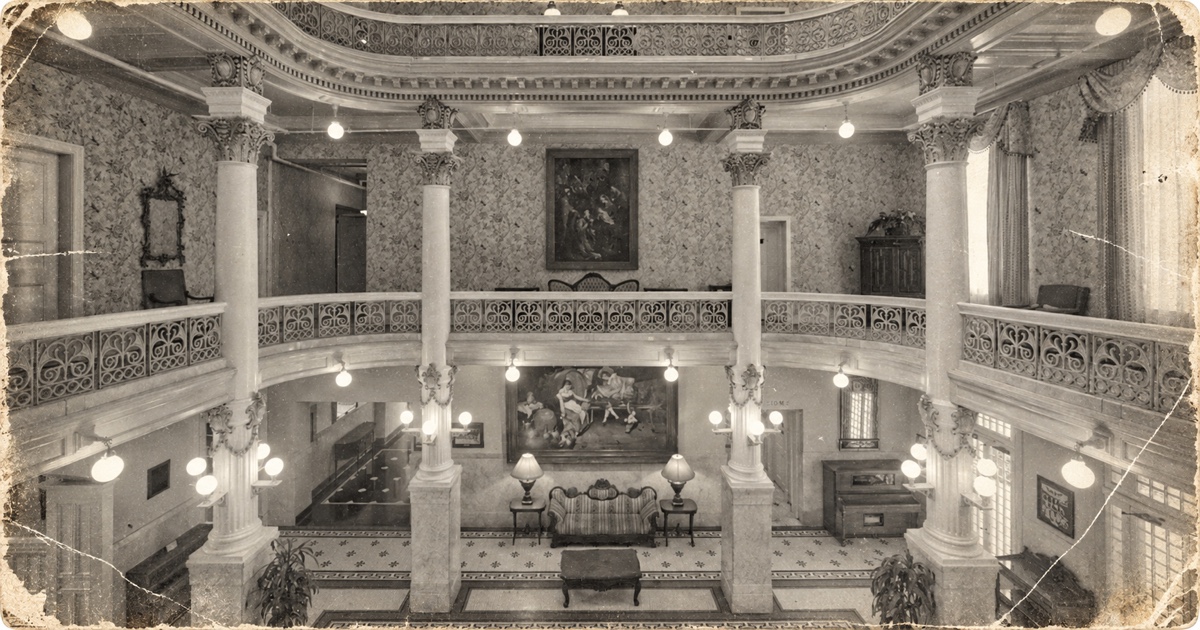
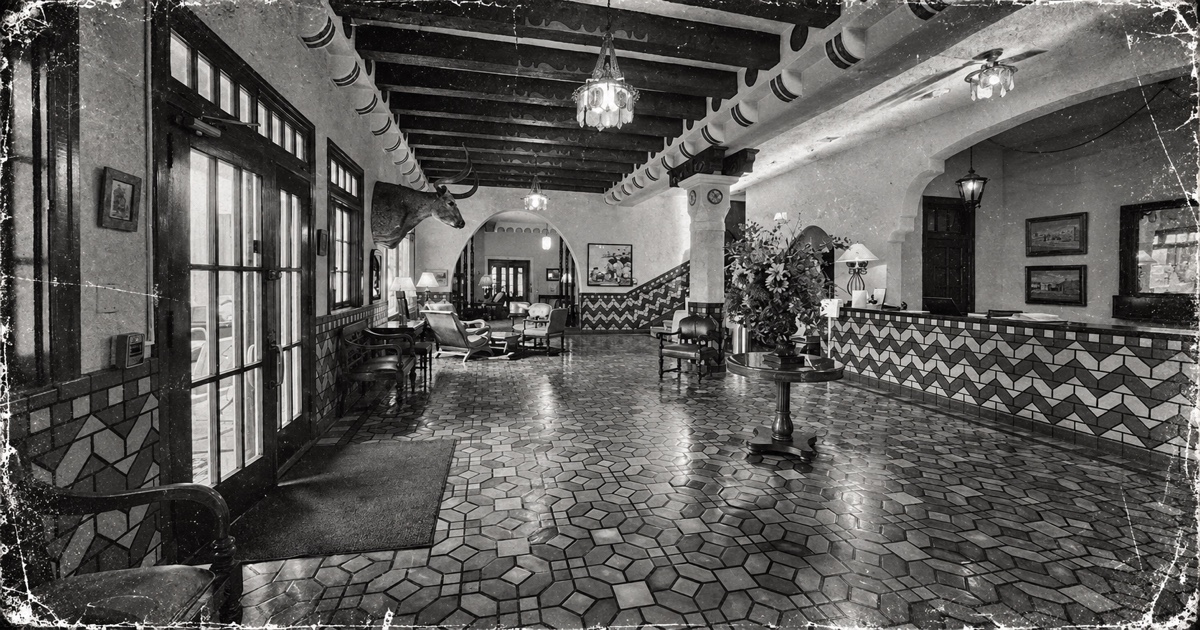
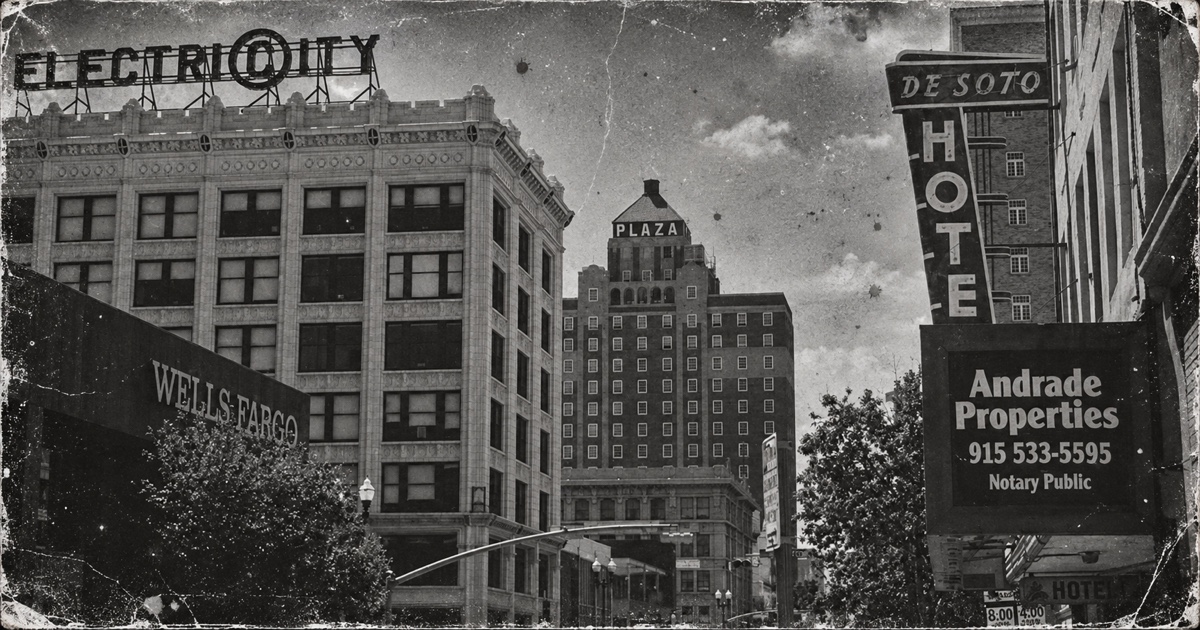
In downtown El Paso, old hotels rarely stay empty in the public imagination for long. The De Soto Hotel is one of those places: a longtime lodging building that, according to the legacy Ghost Texas article, dates to 1905 and now functions partly as residential housing with a small number of guest rooms. That kind of mixed use tends to leave a building full of echoes, normal ones and otherwise.
What gives the De Soto its haunted reputation is not a single famous tragedy or a neatly documented legend. It is the accumulation of claims: tenants talking, staff noticing odd moments, investigators bringing in audio recorders, and visitors leaving convinced that something moved just beyond the edge of the frame. None of that is the same as proof. But it is enough to keep the hotel’s name alive in El Paso ghost lore.
The shadow in the doorway and the problem with certainty
The best-known claim attached to the property is the so-called “Shadow in the Doorway.” In the legacy account, an investigation captured an EVP saying, “Who cares?” while a shadow reportedly crossed a hallway. That sequence is memorable because it sounds like a classic haunted-hotel moment: a fleeting shape, a disembodied voice, and a story that becomes more vivid each time it is retold.
Still, an EVP capture is not a neutral artifact. Without the original recording, investigation conditions, chain of custody, and independent review, it remains a reported result rather than a verified event. A shadow can be caused by lighting, movement outside the frame, or the simple unreliability of memory after the fact. The spooky part is not that the story is impossible; it is that it sits exactly where explanation gets slippery.
Sarah, the friendly spirit who may be doing the rounds
The other name that comes up most often is Sarah. In local ghost-story circulation, Sarah is described as playful, even welcoming, someone who giggles, laughs, and seems more mischievous than threatening. That makes her a useful figure in haunted-house storytelling. Friendly ghosts are easier to invite into a narrative than hostile ones, and they give a place personality instead of just menace.
But Sarah is also a reminder to separate folklore from fact. The available story identifies her as a spirit associated with the hotel, yet does not establish who she was in life or why the name belongs to her. It is entirely possible that Sarah began as a witness report, then hardened into a repeated label as the story spread from tenant to tenant or from one investigator to the next. That does not make the legend uninteresting. It makes it human.
The basement story and the weight of what cannot be checked
The hotel’s most ominous claim is the one tied to the basement. In the legacy version of the story, the basement was said to have been used for satanic rituals in the building’s early days, and people who passed through it reportedly felt watched. That is the sort of detail that can take a local haunting from eerie to incendiary, but it is also the kind of allegation that demands the most caution.
At present, the ritual claim should be treated as an unverified rumor, not as established history. No reliable source in the material reviewed here confirms that the basement was used for rituals of any kind. What does remain is the more modest and more believable part of the story: certain spaces in old buildings feel oppressive because they are dim, enclosed, and full of ambient sound. Basements are natural incubators for unease. A person expecting a haunting often supplies the rest.
What the building’s history does support
The broader El Paso backdrop matters here. Downtown hotels in border cities have always absorbed layers of transient life: railroad traffic, business travel, long-term tenants, and shifting uses as neighborhoods change. The De Soto fits that pattern. Even without paranormal claims, a building with more than a century of occupancy would have ample reasons to accumulate local memory.
That distinction matters because some of the stronger factual anchor points in the old article are slim. The property’s long age and current mixed residential/guest use appear consistent with the basic story, but more specific claims, especially the basement allegation and the named spirits, belong among reported claims, not confirmed history. Meanwhile, the hotel’s neighboring historic context in El Paso is well established: this is a city where old downtown landmarks, especially historic hotels, have long carried reputations larger than their floor plans. Hotel Paso del Norte, for instance, publicly documents its own 1912 opening and enduring landmark status, a reminder that El Paso’s hotel lore often grows around real, well-worn buildings with deep civic memory. (hotelpdn.com)
Why the De Soto still lingers in the haunted-hotel circuit
The De Soto Hotel endures because it sits at the intersection of three things paranormal audiences recognize immediately: age, repeated testimony, and uncertainty. Age gives the place atmosphere. Testimony gives it motion. Uncertainty gives it a shadow to live inside.
That is probably the fairest way to read the story. The hotel is not a verified repository of demons and named apparitions. It is a long-lived El Paso building with a haunted reputation, a handful of recurring characters in local lore, and at least one basement story that remains far easier to repeat than to substantiate. Which may be exactly why the De Soto still works: not because every claim has been proven, but because enough has been reported to keep one question hanging in the hallway, what, exactly, keeps getting heard after the doors are shut?