A basement bar that invited whispers
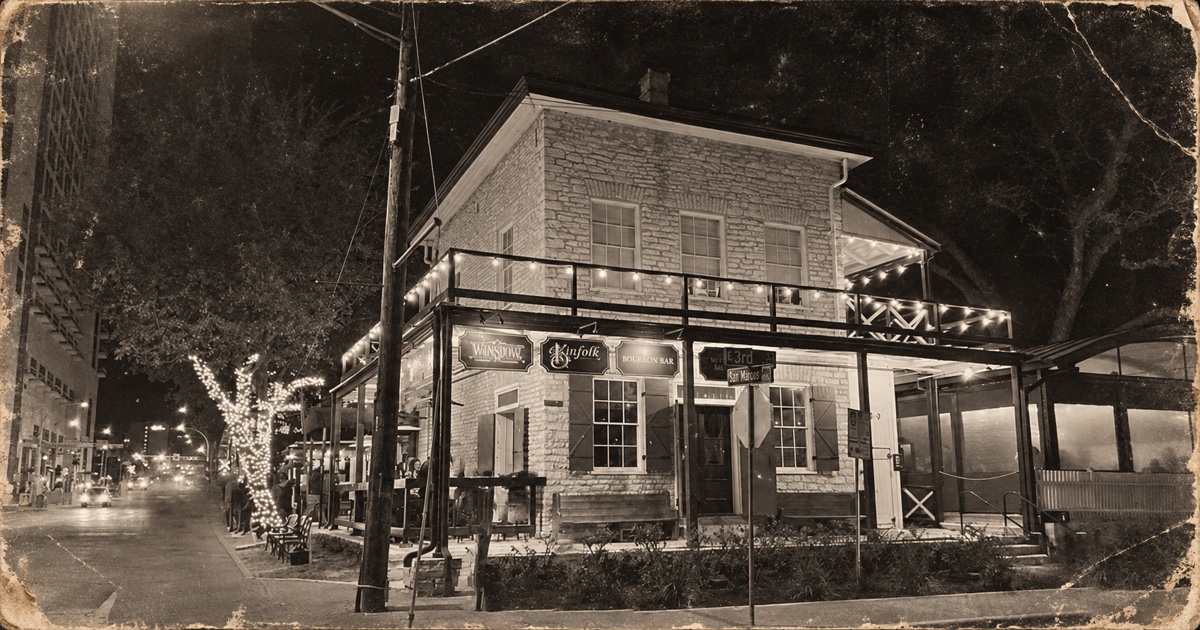
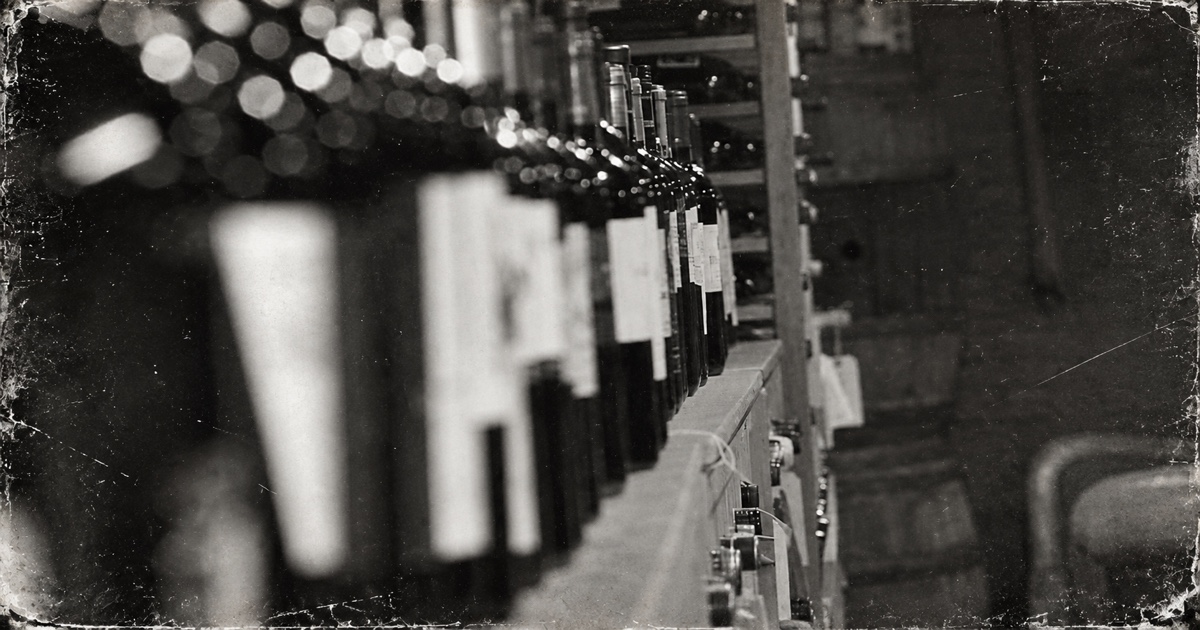
For a while, the Red Room Lounge was the kind of Austin space that practically encouraged rumor: dim light, a basement room, red velvet, brick walls, and a hidden-door feel that made it easy for stories to grow. When it opened in 2012, the wine bar operated at 306 E. 3rd Street in downtown Austin, tucked below street level and marketed as an intimate tasting room rather than a showpiece. Later coverage described it as a closed downtown wine bar whose space was being folded into the owner’s business expansion. That part is documented. The hauntings are not. (austin.culturemap.com)
The older story the legend wanted
The legacy Ghost Texas version of this story says the building was originally constructed in the 1800s and cycled through lives as a saloon, brothel, and gambling den. Reliable sourcing for those specific claims is not clear from the public record we reviewed, and the Red Room Lounge itself is firmly documented as a 2012-era downtown wine bar rather than a 19th-century relic. In other words, the haunted narrative appears to lean on Austin’s broader appetite for underground rooms, vice history, and old-building atmosphere more than on a neatly documented chain of ownership and use. Austin’s own historical resources do preserve plenty of evidence that the city had saloons, bawdy houses, and gambling houses in its early development, but that does not by itself verify those uses for this exact address. (library.austintexas.gov)
Mary, Jack, and the shape of a story
The most familiar paranormal details tied to the Red Room Lounge are the usual strong ingredients of a haunt: a woman named Mary said to have worked there in the brothel era, and a gambler named Jack said to linger near a card table. According to the legacy account, Mary sobs upstairs or appears on the second floor, while Jack is associated with dice sounds and the scrape of cards. Those figures may be memorable, but they should be treated as reported ghost-lore rather than independently verified residents of the building’s past. No primary source surfaced to confirm Mary or Jack as historical people connected to the property. (austin.eater.com)
What people say they heard downstairs
Like many supposedly haunted bars, the Red Room’s reputation rests less on one dramatic event than on a stack of small, uneasy impressions: footsteps where nobody was walking, whispers that seemed to come from an empty room, a sudden cold patch, an object shifted out of place. Those are classic witness reports in haunted-location storytelling. They can be unsettling without necessarily being supernatural, especially in a narrow basement venue where sound, HVAC systems, foot traffic, and crowd movement can all produce convincing oddities. Still, it is easy to see why the Red Room became a magnet for paranormal curiosity. The setting did half the work before any ghost story was told. (austin.culturemap.com)
Why the Red Room kept its haunted reputation
Austin has never lacked for places where nightlife and history overlap, and the Red Room sat in exactly that kind of charged urban landscape. Downtown basements, narrow stairwells, old masonry, and a city long interested in its own colorful past can turn almost any tucked-away bar into a story engine. The venue’s closure in 2017 did not erase the legend; if anything, it gave the lore a little more room to breathe. What remains now is a familiar kind of unresolved Austin haunting: a closed business, a few persistent names, and a building whose atmosphere did as much to shape the story as any claimed apparition. Whether those footsteps were memories, echoes, or just a bar doing what bars do after dark is still the open question. (austin.eater.com)