A road that picked up a darker name
Bowden Road is the kind of place where legend can outrun the landscape. In Walker County, near Huntsville, the road has long been linked to Martha's Chapel Cemetery and to the nickname “Demons Road,” a title that belongs to folklore and witness reports, not documented history. The stories attached to it are familiar to haunted-road lore: handprints on cars, vehicles that seem to rock in place, red lights in the dark, and the uneasy feeling that something has followed a visitor home. Those claims have been repeated often enough to become part of the road’s identity, but they remain unverified accounts rather than established fact. (texasescapes.com)
What Martha’s Chapel actually was
The stronger ground here is historical. The Texas State Historical Association identifies Martha’s Chapel as a Methodist church community also known at different times as Johnson’s Chapel, Trinity Church, and Robinson’s Settlement. According to the Handbook of Texas, the first Methodist church at the site was likely built in the 1830s on land provided by William Robinson and his wife Elizabeth, and the community later became known by several names over the years. By 1990, the cemetery was all that remained of the settlement. (tshaonline.org)
That sequence matters, because it gives the place a real past before the hauntings ever entered the story. The name “Martha’s Chapel” was probably tied to Martha Palmer, described by the Handbook as the first person buried in the new church’s cemetery and the wife of church trustee Anthony C. Palmer. The name itself reads less like a gothic invention and more like the sort of practical, grief-marked naming that often follows frontier communities. (tshaonline.org)
The cemetery that outlasted the settlement
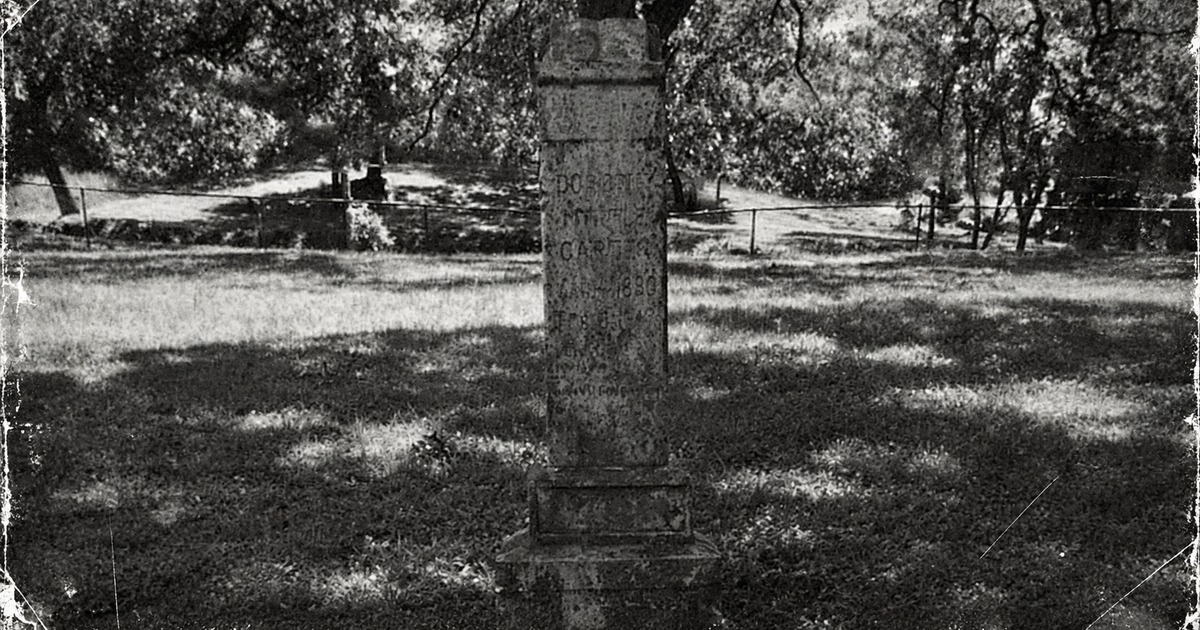
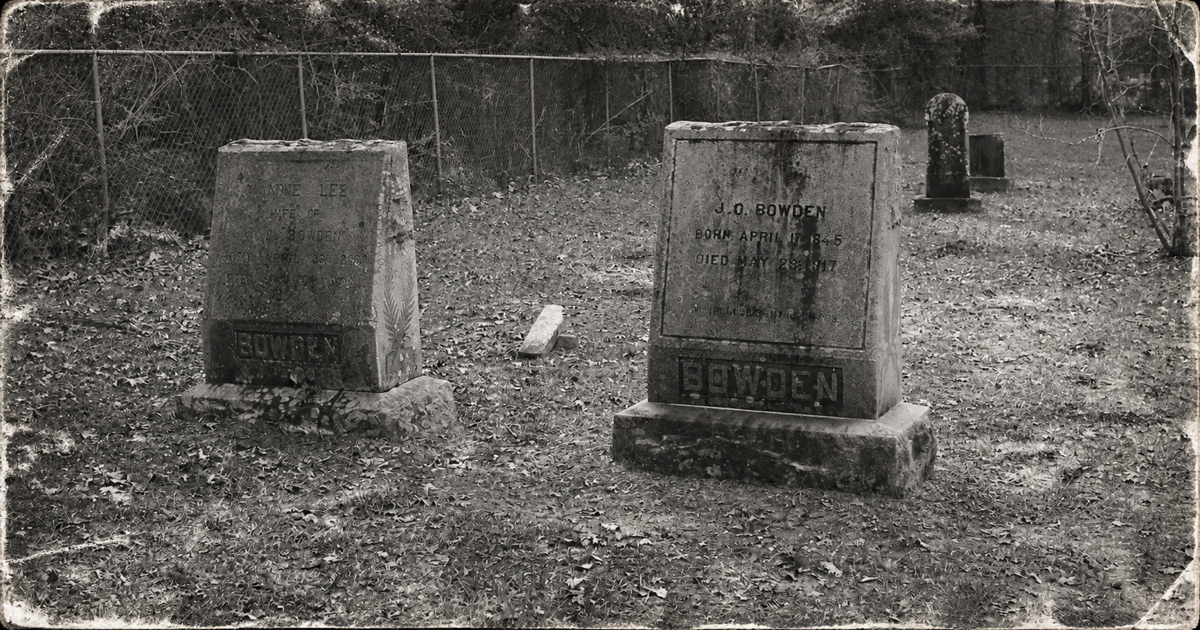
Today, Martha’s Chapel is a cemetery first and a former community second. A historical marker database places the marker at Martha Chapel Cemetery Road in Huntsville, confirming the site’s present-day location in Walker County. The Texas Historical Commission’s marker program also makes clear that cemetery markers and historic designations are part of the state’s official preservation work, not just local storytelling. (hmdb.org)
That official context doesn’t erase the eerie reputation. It does, however, help separate what can be traced from what cannot. The church community had an identifiable history; the cemetery has a documented marker; and the modern haunting narrative grew around a site whose original settlement largely vanished. That kind of disappearance often gives legend room to breathe. (tshaonline.org)
Why the road keeps getting the stories
Bowden Road’s haunted reputation is one of those recurring Texas tales that keeps showing up in local writeups and personal accounts. A Houston Chronicle piece from 2010 repeated the familiar claims of handprints on windshields and a hooded figure following cars. Texas Escapes, drawing on local lore, also described reports of handprints and red lights. These are useful because they show how consistent the story has become across retellings, but they still function as witness reports and folklore rather than independently confirmed events. (chron.com)
The cemetery setting itself may help explain why the legend endures. Rural cemeteries at the edge of roads often become projection screens for fear, memory, and suggestion. A dark lane, an old burial ground, and a name like “Demons Road” are enough to make ordinary sounds feel loaded. That doesn’t make every report false; it just means the atmosphere is part of the evidence people think they are encountering. (texasescapes.com)
What can be said without exaggerating it
It is fair to say Martha’s Chapel Cemetery sits inside a documented historic community with deep Walker County roots. It is also fair to say Bowden Road has become a magnet for stories of lights, prints, movement, and unseen presences. What cannot be said honestly is that any one of those paranormal claims has been independently verified. The haunted reputation belongs to oral tradition, repeated retellings, and personal experience accounts, while the church history belongs to the record. (tshaonline.org)
That split is what makes the place interesting. The history explains why the cemetery exists at all; the folklore explains why people still drive out there hoping for a sign. Between those two truths sits the part nobody has settled yet: whether the unease reported on Bowden Road comes from something beyond explanation, or from a road that has learned how to wear its own legend well. (tshaonline.org)