A lake built out of shortage, memory, and Dallas ambition
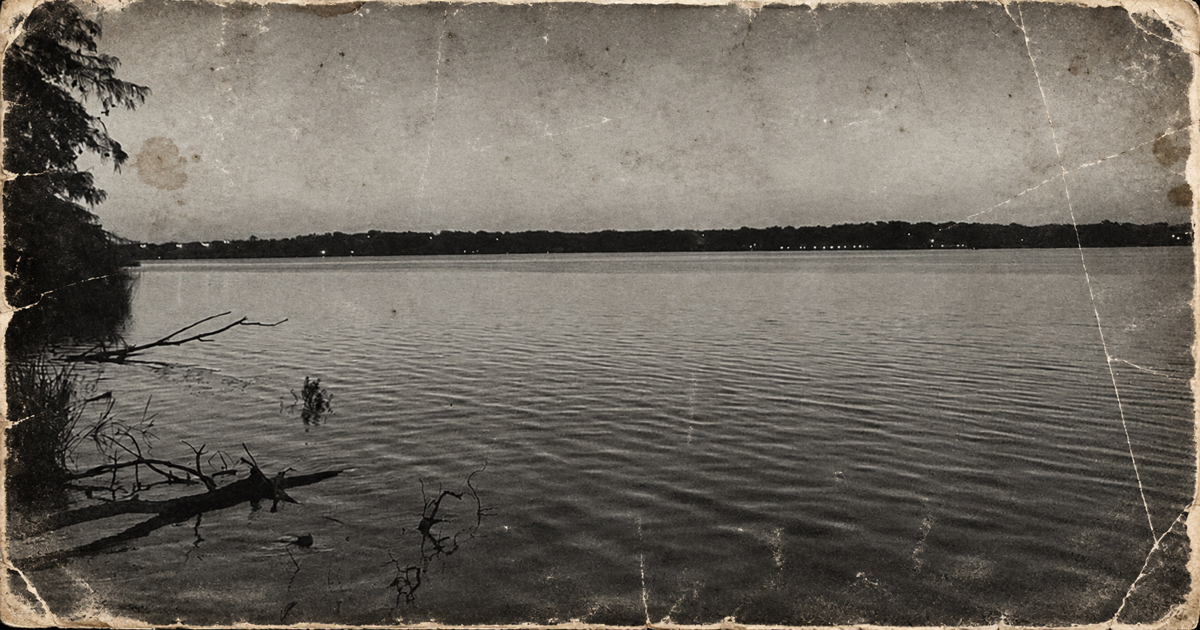
White Rock Lake’s eerie reputation begins with something entirely unromantic: water pressure. Dallas began construction of the dam in 1910, and the project was completed in 1911 to help address the city’s water needs. The reservoir later became a civic landmark, but its origin story is practical before it is paranormal. (twdb.texas.gov)
That matters, because folklore rarely grows from emptiness. It grows where people live, travel, grieve, and return. White Rock Lake sits inside a landscape that changed quickly in the first half of the 20th century, as nearby neighborhoods, park improvements, and recreation spaces took shape around the water. Dallas parks and local history sources agree that the lake became a major public gathering place, not just a reservoir. (whiterockdallas.org)
The details that made the place feel haunted long before the ghost story
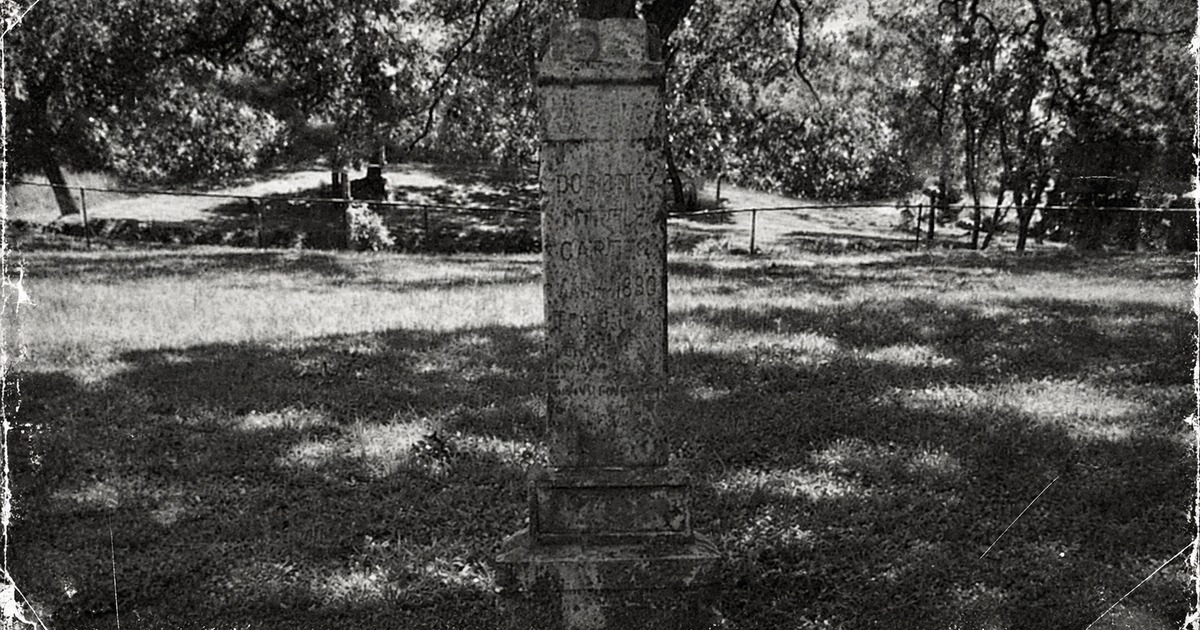
The legacy White Rock Lake article points to a cluster of historical details that give the lake its haunted-history appeal: an old dam, a nearby cemetery, wartime use, and the sense that water itself can hold memory. The broad shape of that picture is supported by local and state sources, though some of the specific family and cemetery details in older retellings are harder to verify independently. (twdb.texas.gov)
One especially important piece of context is the lake’s wartime role. Local histories note that White Rock Lake and the surrounding area were used during World War II, including housing German prisoners of war at Winfrey Point in 1943. That is the kind of documented fact that can deepen a place’s atmosphere without needing to inflate it into a ghost claim. (ghosttexas.com)
The water itself also carries a public-history footnote that many locals remember: swimming was banned, and the ban remains in effect under Dallas city code. In other words, the lake that later became a setting for a famous ghost story was already regulated, watched, and layered with civic concern long before paranormal tourism entered the picture. (codelibrary.amlegal.com)
Where the Lady of the Lake enters the record
The Lady of the Lake is best understood as a Dallas vanishing-hitchhiker legend, not as a documented haunting. The earliest widely cited written version appears in Anne Clark’s 1943 Texas Folklore Society piece, “The Ghost of White Rock.” Local historical sources also note that the story likely circulated before it was published, which is typical of urban legend: oral versions often precede the first printed account. (whiterocklake.org)
From there, the story splits into familiar variations. In some tellings, a soaked young woman in an evening dress appears by the roadside and asks for a ride home. In others, she is linked to a crash, a drowning, or a suicide. Different versions place the encounter at different points around the lake, including East Lawther Drive, Garland Road, and Winstead Drive. Those shifting details are part of the legend’s power, but they are also a reminder that folklore changes with the teller. (hauntbound.com)
Tragedy, rumor, and the urge to name the unknown
Some retellings try to anchor the Lady to specific women whose deaths happened at or near the lake, including drownings reported in the 1930s and 1940s. Those deaths are part of the lake’s human history, but they do not by themselves prove the existence of the ghost or identify a single spirit behind the story. The leap from tragedy to apparition is folklore, not documentation. (ghosttexas.com)
That distinction is important because White Rock Lake’s legend has a classic structure: a frightened driver, a woman in distress, a vanished passenger, and a return to a soaked seat or an empty backseat. It is the kind of story that invites repetition because it feels local, plausible, and just ambiguous enough to survive scrutiny. Skeptically speaking, it is also exactly the sort of tale that spreads wherever roads meet water and memory has room to wander. (whiterocklake.org)
Why this lake still feels like a threshold
The enduring fascination with White Rock Lake does not depend on proving a ghost. It comes from the way the place collects layers that can all be true at once: reservoir, park, wartime site, neighborhood edge, nighttime driving route, and story machine. The Lady of the Lake is the most famous legend attached to it, but not the only reason the lake continues to feel uncanny after dark. (whiterockdallas.org)
That is the unresolved pull of White Rock Lake. The historical record explains how the lake was built and used. Folklore explains how a woman in white learned to cross the dark roadside and stay there. Between the two, Dallas keeps one of its most persistent questions: when people say they saw someone at the edge of the water, are they remembering a story, or encountering the place that made the story possible?