Where the road ends, the stories start
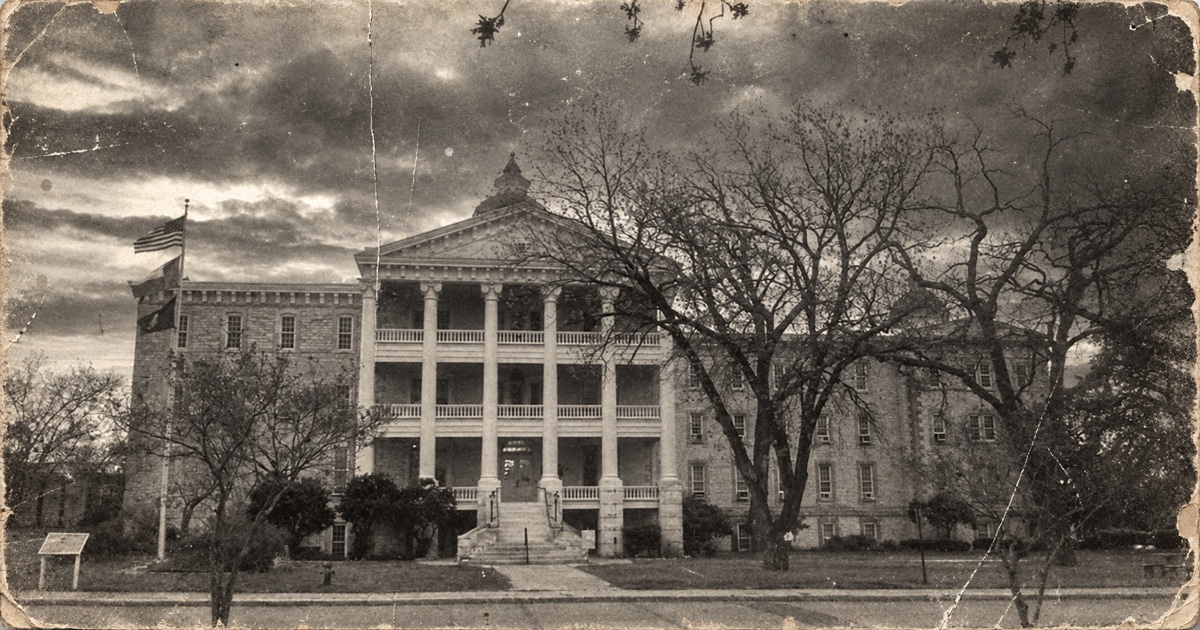
Yorktown Memorial Hospital does not need much help sounding haunted. The building has been vacant for decades, its reputation has traveled far beyond DeWitt County, and the place has gathered a dense shadow of stories: nuns in the halls, a little girl in the library, a figure called TJ near the back door, and claims of violence in the boiler room. Some of that is folklore, some is witness report, and some remains unverified rumor. What is clear is that the hospital’s real history gave the legends a sturdy foundation.
A small town with a long memory
Yorktown itself is older than the hospital by a wide margin. Local history identifies Captain John York and Charles Eckhardt as the town’s founders, and the city traces its incorporation to 1871. That older civic memory matters, because the hospital was never an isolated oddity dropped into empty land; it became part of a community with deep Catholic, German, and South Texas roots. The town’s official history also places its earliest settlement in the 1840s, with churches and businesses following in the decades after. (yorktowntx.com)
Built for care, remembered for decline
The Yorktown Memorial Hospital was built in 1950 and opened in 1951 under the Felician Sisters, a Catholic religious order whose own heritage archive says the sisters closed the hospital in 1986 after low occupancy, slow insurance payments, and staffing problems. Later reporting on the property repeats that the building served the town until a newer hospital opened in nearby Cuero and the Yorktown facility ceased operations. (felicianheritage.org)
That timeline is important, because most of the hospital’s darker reputation seems to grow out of its long decline rather than from a single documented disaster. The legacy Ghost Texas article repeated claims of around 2,000 deaths, severe turnover, and poor care. Those numbers circulate widely in paranormal writing, but the most reliable sources found here do not independently confirm them. They should be treated as reported claims, not established fact. (felicianheritage.org)
The figures people still talk about
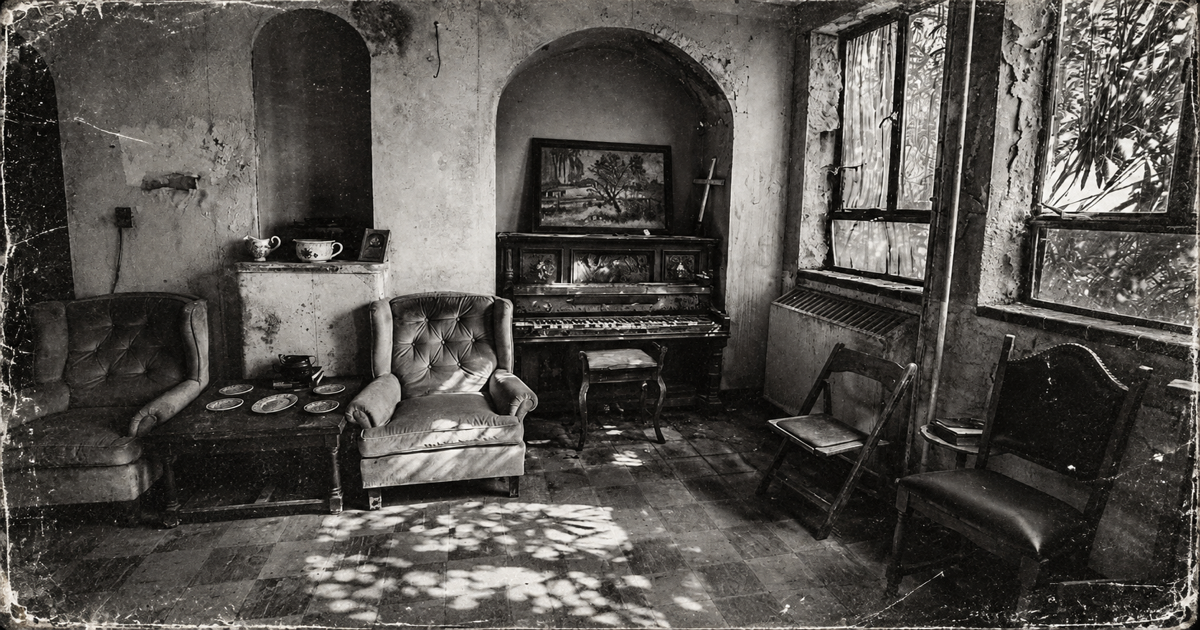
The most persistent ghost stories attached to Yorktown Memorial are less a single haunting than a cast of them. One recurring report is of a little girl named Stacy, said to appear in or near the library. In paranormal accounts, visitors describe reading to her or rolling a ball for her, though those experiences remain anecdotal and unverified. Another familiar figure is the nun apparition, usually described in a full habit and sometimes blamed for scratches or choking sensations reported by visitors with tattoos. Those details belong to the hospital’s folklore, not to documented hospital records. (national-paranormal-society.org)
Then there is TJ, a name that keeps returning in ghost-hunting circles. In the lore, he is linked to a desperate arrival at the back door, a broken buzzer, and a body found too late. That story is emotionally powerful, but it should be read as a paranormal narrative unless independently supported evidence emerges. The same caution applies to the boiler-room murder rumor and the claim that blood on the walls was tested and confirmed human. Those are serious allegations, and they remain unverified in the sources reviewed here. (reddit.com)
Why the haunting story stuck
Part of Yorktown Memorial’s staying power comes from the way its history and atmosphere reinforce each other. A Catholic hospital in a small Texas town, later abandoned, is already a potent setting. Add years of vacancy, local unease, and the familiar shape of paranormal television visits, and the building becomes a magnet for interpretation. Some visitors likely came looking for proof and left with ambiguous noises, odd shadows, or a story that grew after the fact. That does not make every account false; it means the evidence is mixed, as it often is in places with a strong ghost reputation. (expressnews.com)
There is also a practical reason Yorktown Memorial keeps resurfacing: the site remains part of the town’s present, not just its past. Recent reporting notes ownership changes and continuing interest in preservation, even as local officials have raised safety concerns about the building’s condition. In other words, the hospital is still physically here, still visible, and still active in the public imagination. (expressnews.com)
What the record can and cannot say
The record supports this much: Yorktown Memorial Hospital was built in 1950, opened in 1951, was operated by the Felician Sisters, and closed in 1986. The town around it has a much longer history, and the building’s afterlife as a haunted landmark is well established in paranormal culture. What the record does not firmly support are the most dramatic claims, the exact number of deaths, the blood-soaked boiler-room murder story, or the identities behind every apparition named by investigators and visitors. (felicianheritage.org)
That gap between history and haunting may be the reason Yorktown Memorial remains so compelling. The hospital stands as a real place with a real past, but the stories that cling to it still refuse to settle into one clean explanation. And for a building like this, that lingering uncertainty may be the strongest ghost of all.