The Sam Houston story in Huntsville begins with a house, not a legend
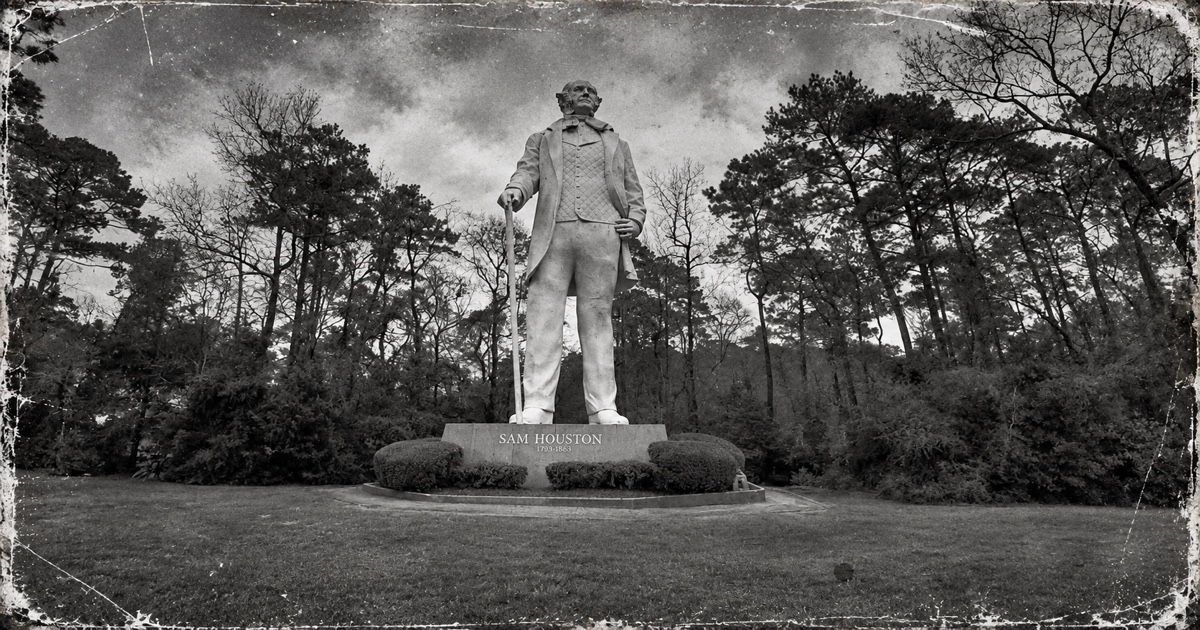
Huntsville’s strongest supernatural reputation grows out of very real places tied to Sam Houston’s final years. The Sam Houston Memorial Museum and Republic of Texas Presidential Library preserves the property where Houston and his family lived from about 1847 to 1858, and where he returned in 1862. The museum’s historic grounds include the Woodland Home and the Steamboat House, both key pieces of Houston’s last chapter in Huntsville. Houston died in 1863, and Oakwood Cemetery holds his grave in the center of town. (samhoustonmemorialmuseum.com)
That matters because most hauntings do not begin as ghosts. They begin as atmosphere: a preserved house, a burial place, a story repeated often enough that the setting starts to feel charged. In Huntsville, the official history is sturdy enough to support the folklore without needing help from it.
Footsteps on the museum grounds, and a house that still feels occupied
The legacy article points to phantom footsteps and disembodied voices around the Sam Houston home, especially the Steamboat House. Those are witness reports, not independently documented facts, but they fit the kind of story historic homes often generate: creaks in old wood, sounds carried across a quiet grounds complex, and visitors primed to listen for something just beyond ordinary explanation.
What can be said with confidence is that the museum itself is not a stand-alone house on a corner. It is a fifteen-acre historic complex built on Houston’s former property, with preserved structures, open grounds, and a long public memory attached to them. That kind of setting naturally invites tales of footsteps after hours, even when the most grounded explanation may be age, acoustics, and suggestion. (samhoustonmemorialmuseum.com)
Why the Steamboat House keeps pulling the story back
The Steamboat House has become the magnet for the darker side of the legend because it is the place most clearly linked to Houston’s death in Huntsville. The museum’s own materials identify it as part of the Houston property history and note that the house was moved to the museum complex from another Huntsville site. A building with that much biography tends to gather embellishment, especially when the subject is one of Texas’s most famous political figures. (samhoustonmemorialmuseum.com)
The forest story is less documented, more whispered
The original piece also jumps to Sam Houston National Forest and Huntsville State Park, where local lore has long favored the language of growls, red eyes, and a heavy, watchful woods mood. Officially, Huntsville State Park is a Texas Parks and Wildlife destination for camping, hiking, paddling, fishing, and pineywoods scenery, while Sam Houston National Forest sits nearby in the same broad East Texas landscape. Neither agency confirms a haunted alligator or a standard ghost inventory, but the terrain itself helps explain why stories stick there. Tall pines, low light, and long distances between people make any unexplained sound feel amplified. (tpwd.texas.gov)
The 2019 legacy text also references a 2005 homicide in the forest area and an old cemetery in New Waverly as a catalyst for the haunting narrative. I could not verify that specific claim from authoritative sources here, so it should remain a local report or a remembered detail rather than a settled fact. The broader truth is simpler: wooded public land with cemeteries, old roads, and regional tragedy often accumulates stories faster than records.
Oakwood Cemetery is where history and haunt lore most visibly overlap
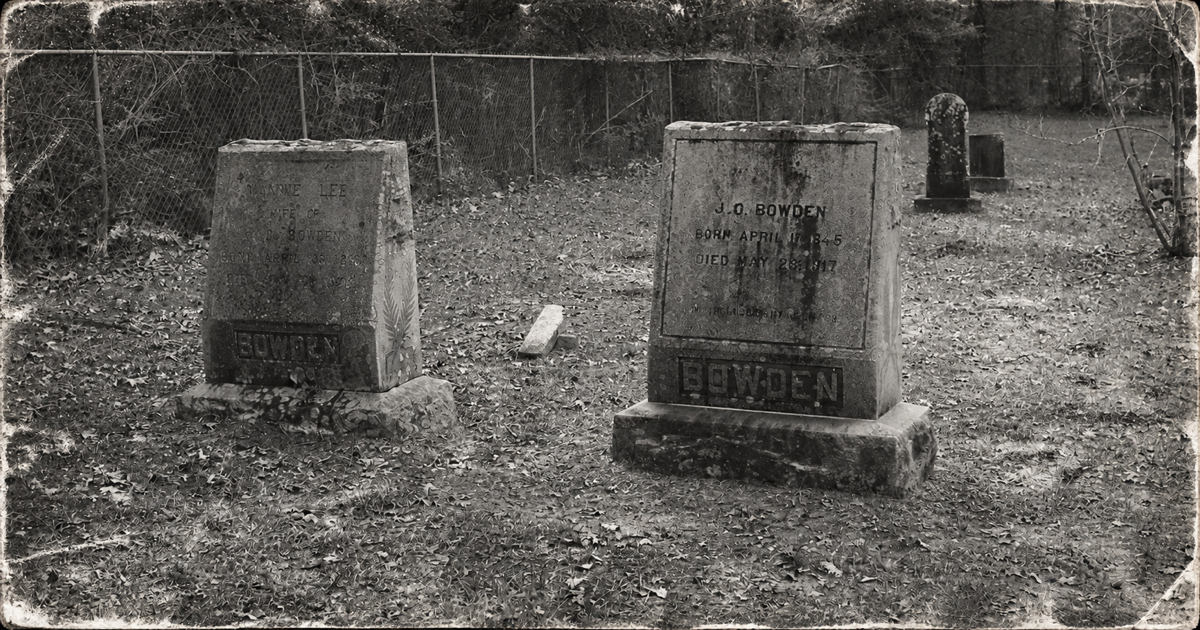
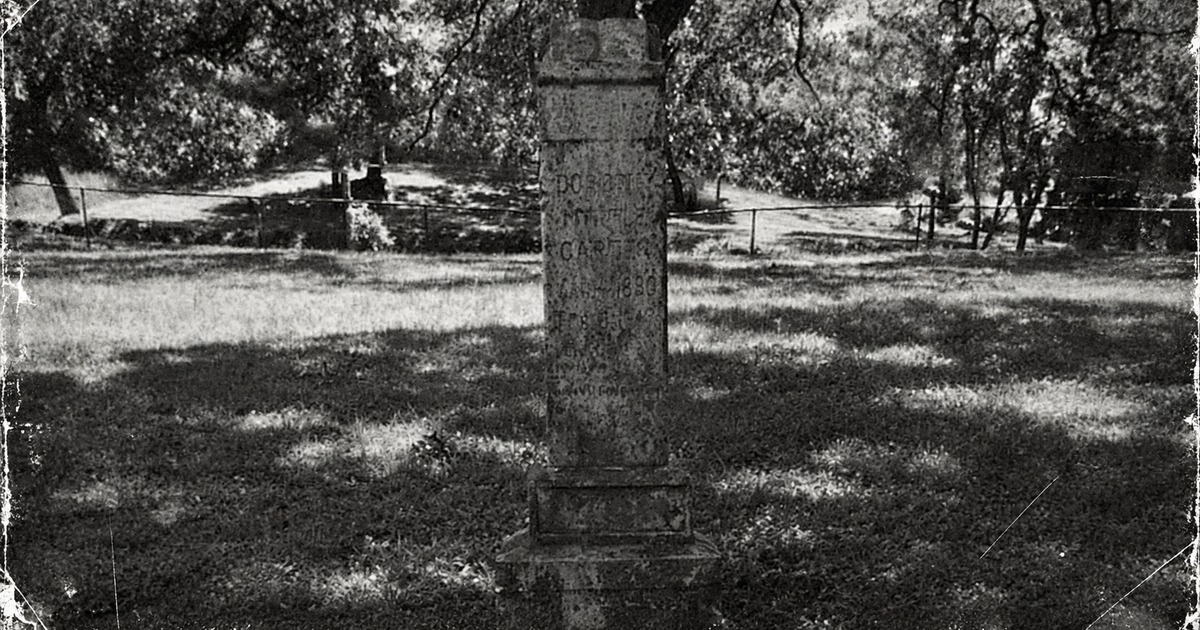
If Huntsville has a center of gravity for this subject, it is Oakwood Cemetery. The City of Huntsville says Oakwood is owned and maintained by the city and is the final resting place of General Sam Houston, former U.S. senator, governor, and president of the Republic of Texas. The cemetery’s long history and layered sections make it one of the most consequential burial grounds in town, not just one of the most talked about. (huntsvilletx.gov)
That is also where the “Black Jesus” story enters the frame. The legacy article describes a bronze marker erected over a child’s grave that was said to have darkened over time, with visitors reporting odd impressions about the statue at night. Available sources support the existence of the monument and the nickname, but the spooky interpretation remains folklore and observation, not proven paranormal activity. In other words: there is a real statue, a real cemetery, and a real local story about how the statue came to look the way it does. The haunting is the part that remains unverified. (hist3388.wixsite.com)
The blackened statue that changed the conversation
Stories about statues changing color are common in cemetery folklore because they seem like visible evidence of hidden force. Yet bronze weathers, darkens, and collects environmental residue. That does not erase the emotional power of the legend; it simply gives it another possible explanation. Oakwood’s “Black Jesus” remains interesting precisely because it lives at that seam between material history and local unease. (hist3388.wixsite.com)
What Huntsville really preserves: a setting built for stories
Taken together, the museum grounds, the cemetery, and the nearby forest form a compact haunted-history triangle around Sam Houston’s name. The public record is clear about the people, places, and dates: Houston’s property, his death in Huntsville, his grave at Oakwood, and the museum dedicated to his legacy. The paranormal layer is more fragile, built from reports, impressions, and retellings that have outlived the people who first told them. (samhoustonmemorialmuseum.com)
That may be why the Sam Houston Huntsville story still works. It does not need to prove a ghost to feel haunted. It only needs a house where a statesman died, a cemetery where the city’s memory is buried in stone, and a forest willing to turn every sound into a question.