A frontier house with a reputation that lingers
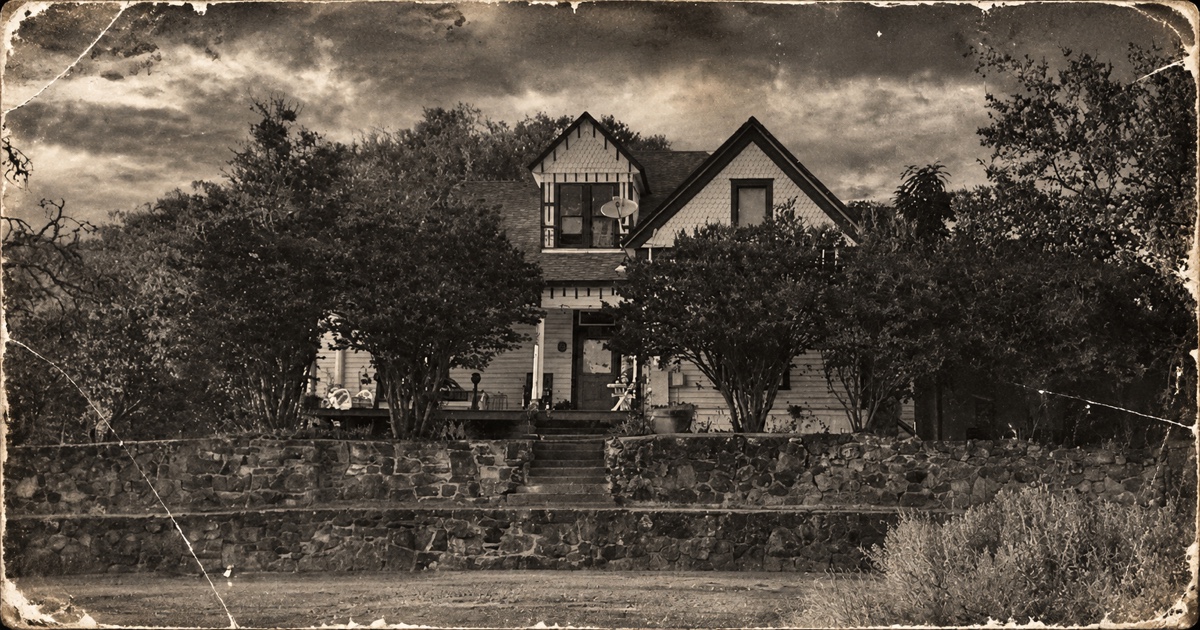
The Magoffin Home State Historic Site does not need a ghost story to feel charged. Built in 1875 for Joseph Magoffin, the El Paso adobe is one of the city’s best-known historic houses, preserved for the way it reflects the family and borderlands history that shaped the region. The Texas Historical Commission says the home is now closed through 2027 for restoration, with the visitor center open, a reminder that this is an active preservation site rather than a frozen relic. (thc.texas.gov)
That stronger, documented history matters because it grounds the legend. In haunted-history writing, old houses often collect stories faster than they collect dust. The Magoffin Home is no exception: over time, local memory and visitor talk have layered a quieter, harder-to-verify haunting narrative onto the site’s very real past. (thc.texas.gov)
The woman in white and the story that keeps changing
The most familiar paranormal claim tied to the house centers on Susan Shelby Magoffin, a figure whose name is well documented in frontier history, but not as a former resident of this specific home. Susan Shelby Magoffin was born in 1827 and became known for her diary of the Santa Fe Trail journey she made after marrying Samuel Magoffin in 1845. Historical sources place her importance in trail history, not in the Magoffin Home itself, which was built decades later in 1875 for Joseph Magoffin and his wife Octavia. (kansashistory.gov)
That chronology makes the popular ghost tale worth handling carefully. The legacy story’s version, Susan as a young woman in the homestead, fallen in love, forced into another marriage, then dying soon after, does not line up cleanly with the historical record available from state and historical society sources. The broader family story is real; the specific romance-and-tragedy backstory appears to be folklore or conflation, not independently verified fact. (kansashistory.gov)
What visitors say they feel inside old adobe walls
Even when a haunting cannot be confirmed, a house can still generate unnerving reports. The recurring claims tied to the Magoffin Home are the classic kind: unexplained footsteps, odd noises, and the sense of being watched. Those are common features of many historic-house ghost stories, especially in spaces where acoustics, age, dim light, and expectation can sharpen ordinary sensations into something stranger. That does not make the experiences meaningless; it just means they remain witness reports, not established evidence. (thc.texas.gov)
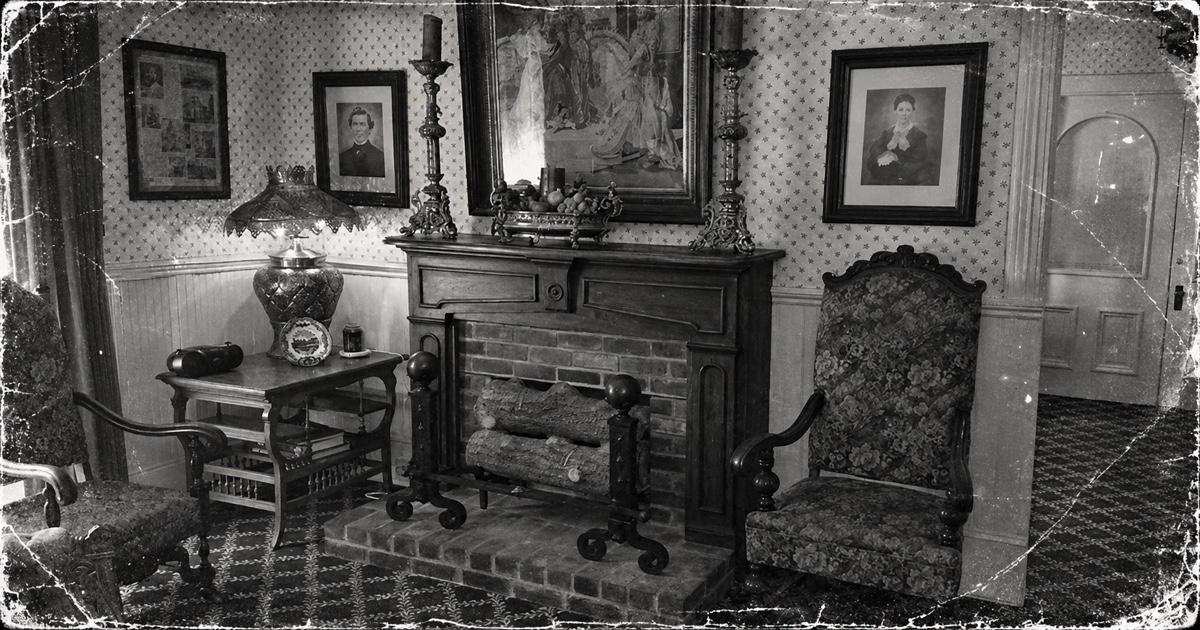
The architecture itself helps the atmosphere. The home was built as a Territorial-style adobe residence in the borderlands, and the site’s official history emphasizes the Magoffins’ role in El Paso’s social and civic life. In a house like this, the past does not have to manifest as an apparition to feel present. It can seem to live in the walls, the narrow hallways, the patina of rooms that have outlasted the world that made them. (thc.texas.gov)
Why the legend settled here
The Magoffin family was prominent, widely remembered, and deeply tied to the development of El Paso and the wider Southwest borderlands. James Wiley Magoffin arrived in the region in the 1820s, and his descendants became part of the commercial, political, and social fabric of the borderlands. That kind of family history often attracts legend because it already feels oversized: traders, settlers, civic leaders, diarists, and a house that still stands when so much else has changed. (thc.texas.gov)
Susan Shelby Magoffin’s diary also helps explain why her name remains attached to so many stories. Her writing gave later readers an unusually intimate view of the Santa Fe Trail era, and her historical visibility makes her an easy figure for local memory to reuse. Once a name becomes prominent in a region’s past, it can be pulled into places it never occupied, especially when a building needs a haunting that feels personal and period-appropriate. That is an inference, but it fits the way folklore often settles around famous names. (kansashistory.gov)
The unanswered question in the house
So what should be made of the Magoffin Home’s ghost story? The safest answer is also the most interesting one: the house has a documented frontier legacy, and it also has a living folklore tradition that places unexplained experiences within that legacy. The history is clear enough to stand on its own. The haunting, by contrast, remains a story told at the edge of the archive, where memory, atmosphere, and expectation meet. (thc.texas.gov)
Maybe that is why the legend persists. The Magoffin Home is not just an old building in El Paso; it is a place where the borderlands past still feels close enough to brush against the present. Whether that feeling belongs to history, suggestion, or something harder to name is the question the house still leaves hanging in the adobe air. (thc.texas.gov)