A West Texas landmark with a second life in the dark
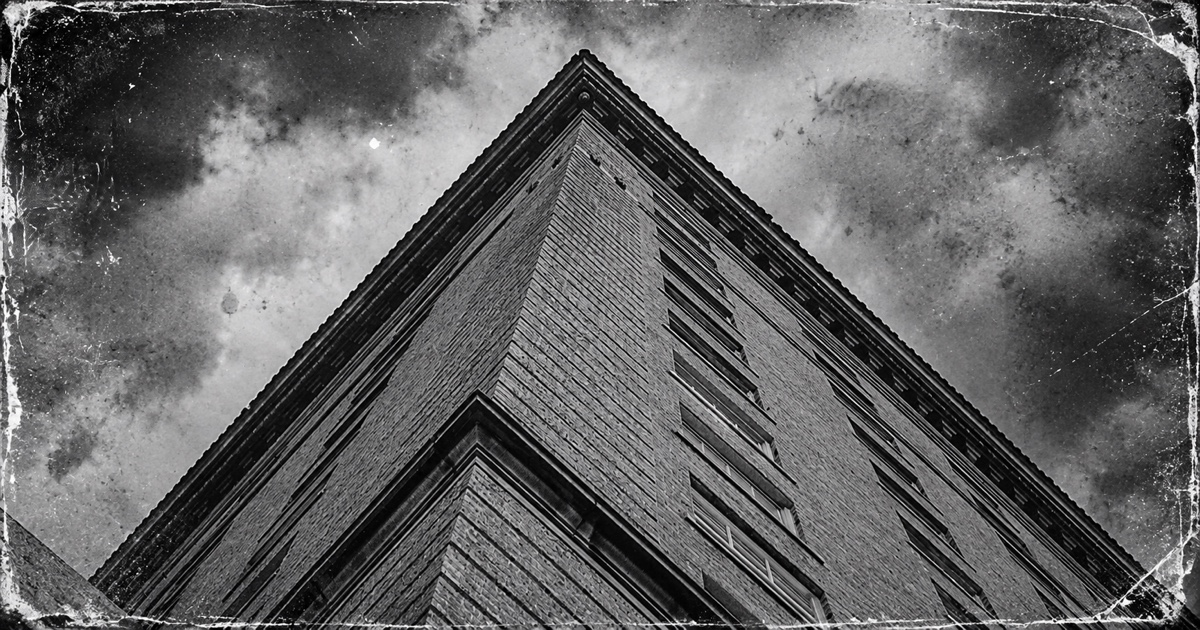
The Cactus Hotel rises from downtown San Angelo with the kind of early-20th-century confidence that makes rumors stick. Built in 1928 and long associated with Conrad Hilton’s expanding hotel empire, it remains one of the city’s defining landmarks and, for many visitors, the setting for stories that are harder to document than the building itself. The hotel’s history is well established; the haunting reputation is not. (npgallery.nps.gov)
What the records actually say about the hotel
The documented story begins with the oil boom years, when San Angelo was growing fast and new hotels were built to serve traveling businessmen and guests drawn to the city’s commercial energy. The Cactus Hotel was completed in 1928 for Belvedere B. Hall, designed by Dallas architect Anton Korn, and leased to Conrad Hilton. National Register documentation describes it as a major downtown landmark and notes that it quickly became a hub for business and social life. Official and preservation sources also place the building’s completion in 1928 or 1929, depending on whether they are referring to construction or opening. (npgallery.nps.gov)
What matters for the ghost story is what the records do not support: there is no authoritative evidence that the hotel was built over a cemetery, despite that rumor circulating in local lore. The easier-to-verify truth is simpler and still atmospheric, a grand downtown hotel from the boom era, now carrying nearly a century of memory in its walls. (npgallery.nps.gov)
The ghost stories that keep returning
The most familiar Cactus Hotel legends center on two recurring figures: a young woman often called Mary, and a man described as wearing a top hat and suit. In the legacy Ghost Texas version of the story, both are presented as part of the hotel’s haunted reputation, but neither identity is independently verified by the historical record. Treat them, for now, as local witness reports and community folklore rather than established fact. (cactushotel.net)
That distinction matters. Haunted places often collect names over time, especially when repeated stories become part of the attraction. A figure seen in a hallway once can become a fixture after enough retellings. Without documentation, though, these remain reported apparitions, memorable, persistent, and unresolved. (cactushotel.net)
Noises in the halls, and the ordinary explanations that linger nearby
Accounts tied to the Cactus Hotel also include unexplained footsteps, sudden temperature drops, objects allegedly shifting, and the feeling of being watched. Those are classic haunted-hotel reports, and they fit the setting well: old buildings breathe, settle, amplify sound, and turn an empty corridor into a stage set. Drafts move curtains. Pipes knock. Floors complain. The human mind fills in the rest, especially in a place with a strong ghost story already attached. (cactushotel.net)
That does not make the experiences meaningless. It just keeps the line clear between a strange moment and a supernatural conclusion. In a hotel with this much history, both the atmosphere and the ambiguity are part of the appeal. (cactushotel.net)
Why the Cactus Hotel keeps its reputation
The Cactus Hotel endures because it offers two versions of itself at once. In the daylight, it is a preserved San Angelo landmark tied to the city’s boom-era growth and Conrad Hilton’s early hotel ambitions. After dark, it becomes the kind of place where people arrive ready to notice a voice in the hall, a shadow near the elevator, or a figure that disappears when looked at directly. That tension, between documented history and reported haunting, is exactly what keeps the Cactus Hotel in paranormal circulation. (npgallery.nps.gov)
The building’s real history is sturdy enough on its own. Its ghost stories survive because they stay unfinished. And in a hotel that has spent nearly a century watching San Angelo change around it, the most interesting question may be whether the legends are rooted in one true event, or simply in the power of a place that has never quite stopped feeling inhabited. (cactushotel.net)