A grand hotel built on a haunted coastline
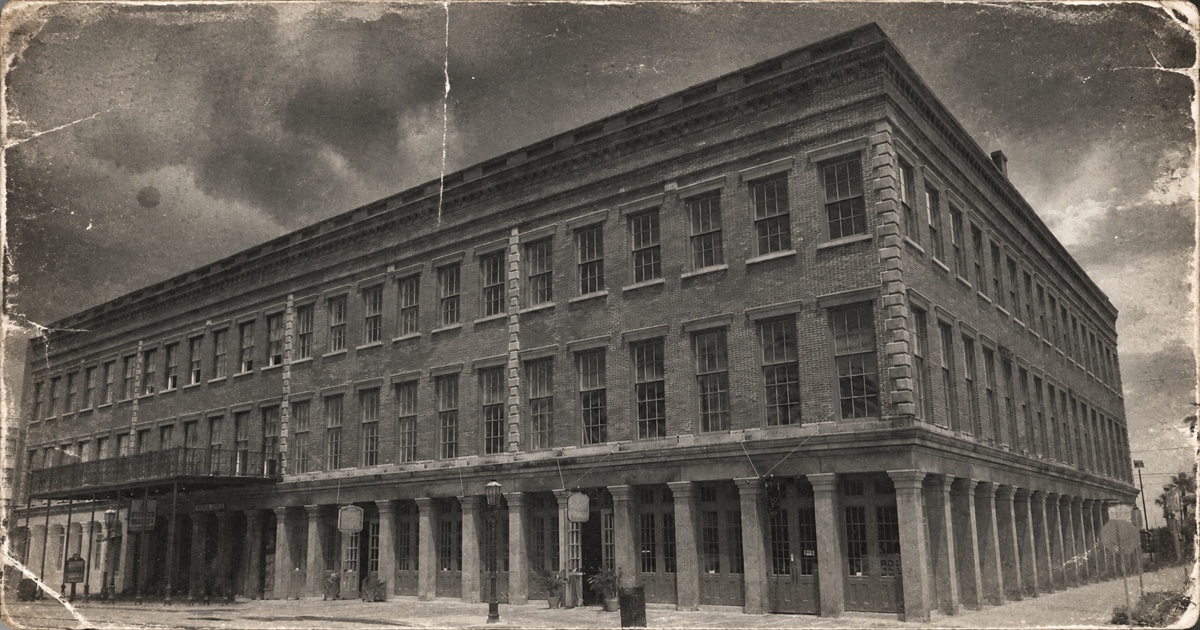
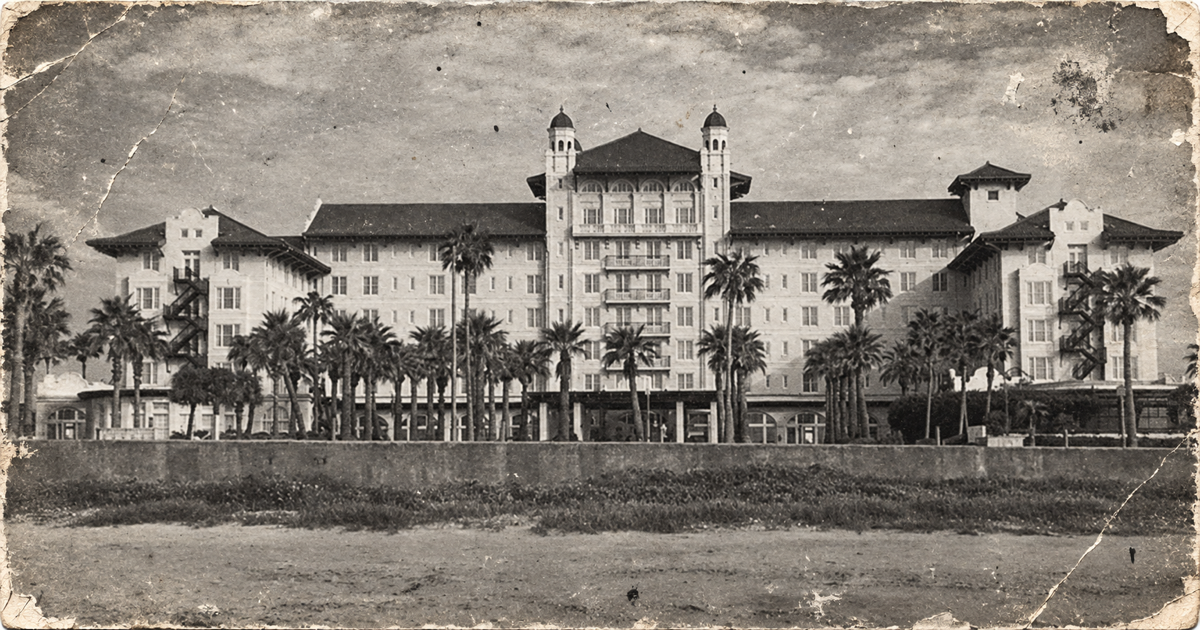
The Hotel Galvez opened in 1911, rising on Galveston’s seawall as the island rebuilt its identity after the devastating 1900 hurricane. The hotel was expensive, ambitious, and meant to signal that Galveston still belonged in the era of Gulf Coast glamour. Later accounts and the hotel’s own history note that it weathered the 1915 hurricane, then spent World War II under Coast Guard control. (grandgalvez.com)
That layered past matters, because the Hotel Galvez did not become “haunted” in a vacuum. Buildings with wartime use, storm memory, celebrity traffic, and decades of staff turnover collect stories the way old wood collects salt air. The hotel’s reputation for ghosts is inseparable from Galveston itself: a city where disaster, reinvention, and folklore have long shared the same address. (visitgalveston.com)
Bernardo de Gálvez, the name on the wall
The hotel takes its name from Bernardo de Gálvez, the Spanish military leader and viceroy whose support for the American Revolution helped weaken British power along the Gulf and Mississippi corridors. That part of the story is historical, not spectral: he never visited the hotel, and he died long before it was built. The portrait in the hotel is a later memorial to the man behind the name, not evidence that he lingers there. (pares.cultura.gob.es)
Still, the portrait has become part of the hotel’s folklore. Guests and tour guides have long repeated the claim that its eyes seem to follow people down the hallway, and that photographs sometimes come out distorted. Those details circulate as paranormal anecdote rather than independently verified fact, but they explain why the painting remains one of the property’s most talked-about objects. (chron.com)
Room 501 and the bride who waits
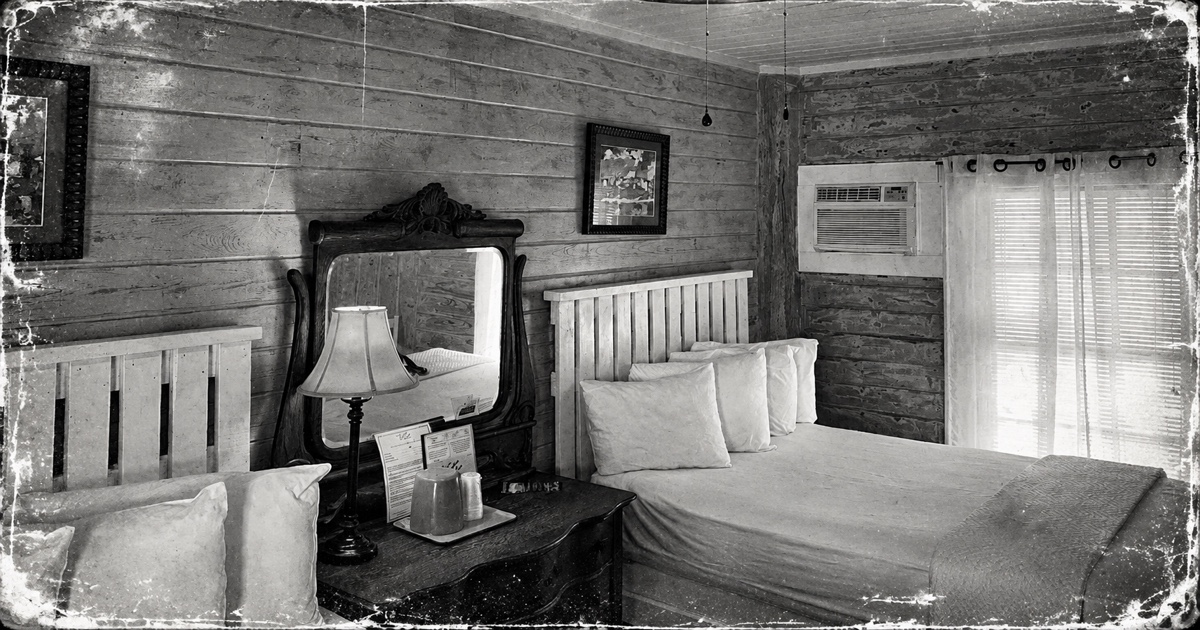
Of all the stories tied to Hotel Galvez, Room 501 is the one that has stuck. Local reporting and tourism writeups consistently identify it as the room most associated with the hotel’s “Ghost Bride” tale. In the modern telling, a young woman waits there for a sailor she loves, only to die by suicide after believing him lost at sea. When he supposedly returns, the story says, he finds her already gone. (tpwd.texas.gov)
That is the folklore version, and it should be treated as such. The name attached to the bride shifts depending on the source, and the exact details vary from retelling to retelling. What stays constant is the emotional shape of the story: longing, loss, and a room that seems to keep the memory of both. Hotel staff and ghost-tour narratives also describe light anomalies, strange readings, and an atmosphere around the room that guests interpret as more than coincidence. Those are reported experiences, not proof of a haunting. (galvestonghosttours.org)
The smaller disturbances people keep reporting
Room 501 may be the headline, but it is not the only place where the hotel’s ghost lore gathers. Accounts collected in local media and paranormal tourism pieces mention a little girl with a ball, a male figure in or near the laundry areas, footsteps or breathing sounds, candles that extinguish without an obvious draft, and unexplained movement of objects. Some versions add a maid in uniform or a man who appears to walk into a closed door and vanish. (chron.com)
These are classic hotel-haunting motifs: transient figures in transitional spaces. Laundry rooms, hallways, bathrooms, and service corridors make eerie settings because they sit outside the polished public face of a building. Even without a paranormal explanation, they are places where odd sounds, shadows, and human suggestion can do a lot of work. The ghost story survives because the setting supports it so well. That does not prove the claim; it only explains why the claim persists. (galvestonghosttours.org)
Why Hotel Galvez keeps its reputation
The Hotel Galvez remains compelling because its ghost lore is anchored to a real, documented place with a real, consequential past. It opened in 1911, survived storms that altered Galveston’s future, and later served a wartime purpose before returning to hospitality. That much is history. The ghosts are another matter: inherited stories, staff anecdotes, guest impressions, and a few well-traveled legends that have settled into the hotel’s identity. (grandgalvez.com)
So the most honest way to describe Hotel Galvez is not as a solved haunting, but as a place where memory has stayed unusually active. The bride in Room 501, the portrait of Bernardo de Gálvez, the whispers in service spaces, the unexplained chill beside an old painting, each belongs to a different evidentiary category. Together, they make the hotel feel watched, even when the evidence only proves that people have been watching it for a very long time. (tpwd.texas.gov)