A jail that outlived the town square
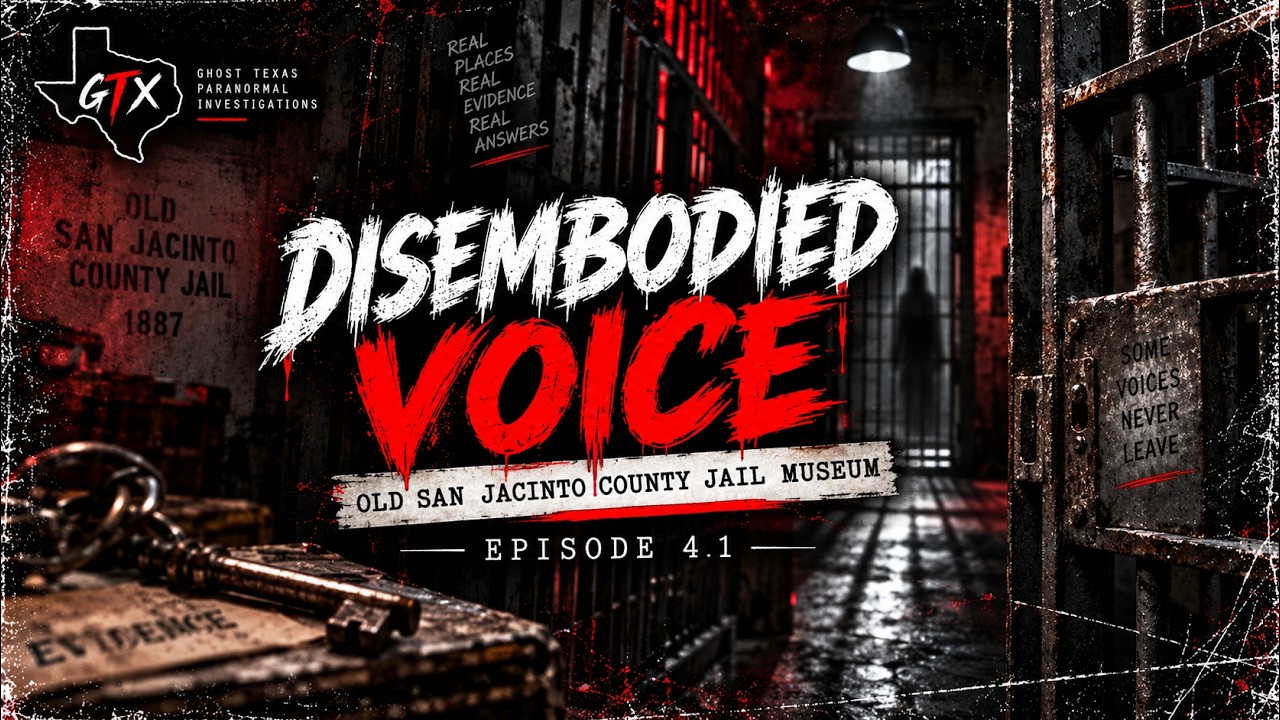
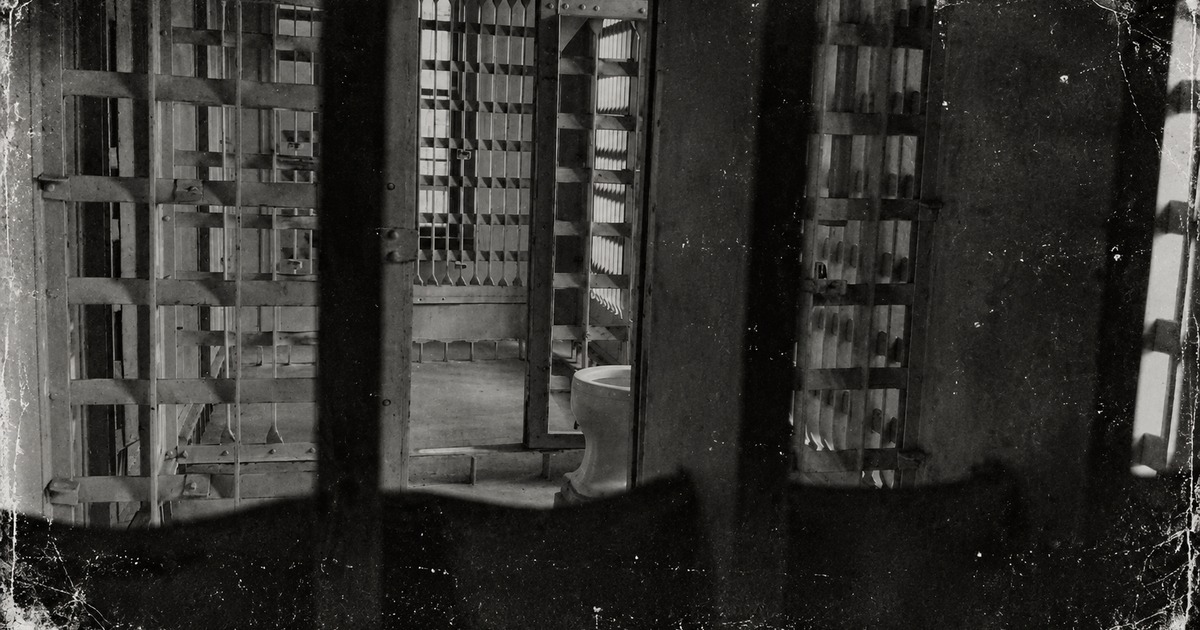
The Old San Jacinto County Jail in Coldspring has the kind of profile that invites ghost stories before anyone even steps inside: thick walls, narrow windows, and a history tied to the county’s early years. Texas Historical Commission records say the jail was approved in 1886 and completed in 1887, and that it served as the county jail until 1980. It is also described as the only remaining structure from the original townsite. (atlas.thc.texas.gov)
That matters because the building’s eerie reputation is rooted in something verifiable: age, isolation, and a long institutional past. Reports of voices, footsteps, and cell doors aren’t documented history; they belong to the layer of local paranormal lore that has grown around the site. In a place like this, the architecture does some of the storytelling on its own.
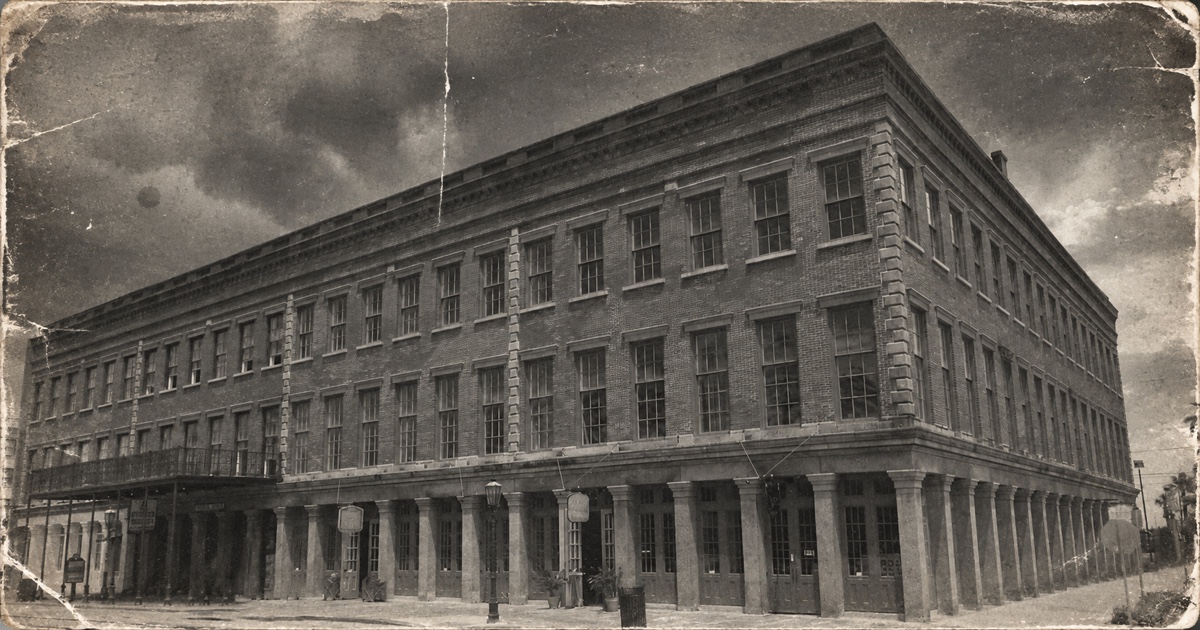
The bar in Houston that keeps its name in the dark
La Carafe sits in one of Houston’s oldest commercial structures, and that alone gives it an atmosphere that can feel half preserved, half suspended. The National Trust for Historic Preservation says the two-story brick building at 813 Congress has been a fixture in the Market Square Historic District since the 1860s, and a City of Houston record notes that the building is widely believed to be the former Kennedy Bakery; a 2011 Houston Public Media story says it dates to 1847 and is commonly described as the city’s oldest commercial building still in use. (savingplaces.org)
The ghost stories are much less settled. Claims about whispers, cold spots, and shadowy figures circulate widely, but they remain witness reports rather than independently confirmed events. That is part of the appeal: the building is old enough to carry historical weight, but the haunting itself remains an open question.
Beneath downtown Houston, the footsteps feel closer
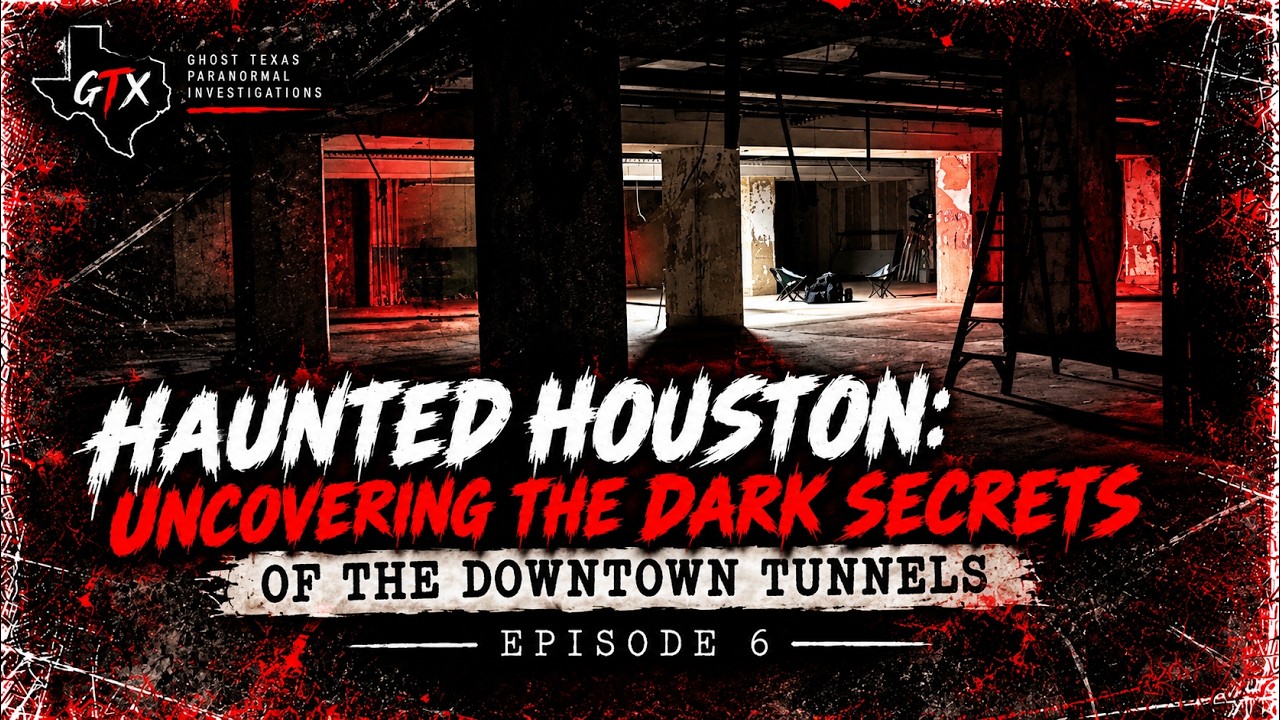
Houston’s downtown tunnel system is not a rumor. The Downtown Houston organization says it stretches more than six miles underground and connects 95 city blocks; the City of Houston describes it as an interconnected series of restaurants, shops, and services. The system began in the 1930s and has grown into one of the city’s most distinctive built environments. (downtownhouston.org)
That’s also why the tunnel ghost story has persisted. Underground spaces amplify ordinary sounds, and the absence of daylight can turn a passing office worker into something more sinister in the retelling. The claims of footsteps, sudden chills, and vanishing figures belong to folklore, not established fact. Still, the tunnels have the right ingredients for a good haunting narrative: enclosed corridors, civic history, and the feeling that the city above has temporarily disappeared.
A Victorian mansion with a reputation it did not ask for
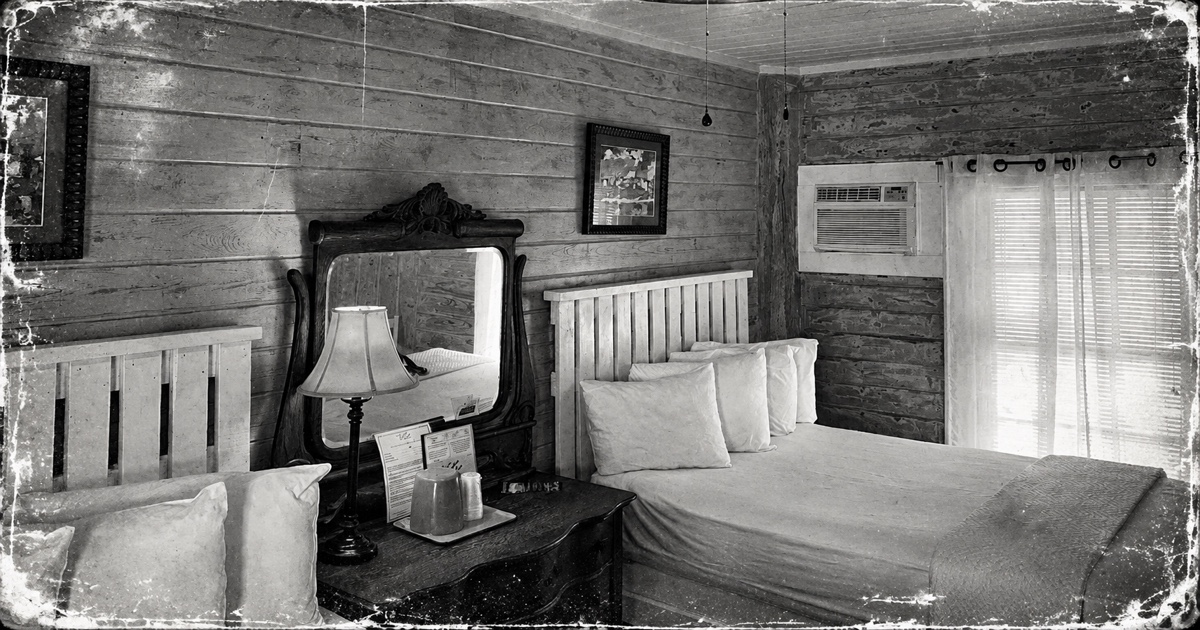
The Bowers Mansion in Palestine is one of those places where the house itself is easier to verify than the legends attached to it. The Portal to Texas History identifies the residence as 301 S. Magnolia and notes that Andrew Bowers was a railroad official and banker; local heritage material places the home within Palestine’s historic fabric as an important domestic building. (texashistory.unt.edu)
The haunting claims are more complicated. Online tours, ghost-hunt promotions, and local retellings describe a tragic family history and frequent paranormal activity, but those accounts should be treated as reports and interpretations, not settled evidence. That doesn’t make the house less interesting. If anything, it makes the mansion a classic Texas ghost-story engine: a handsome old home, a complicated past, and an audience ready to listen for a piano key that may or may not have moved by itself.
A cemetery hidden in the woods, and the stories that grow there
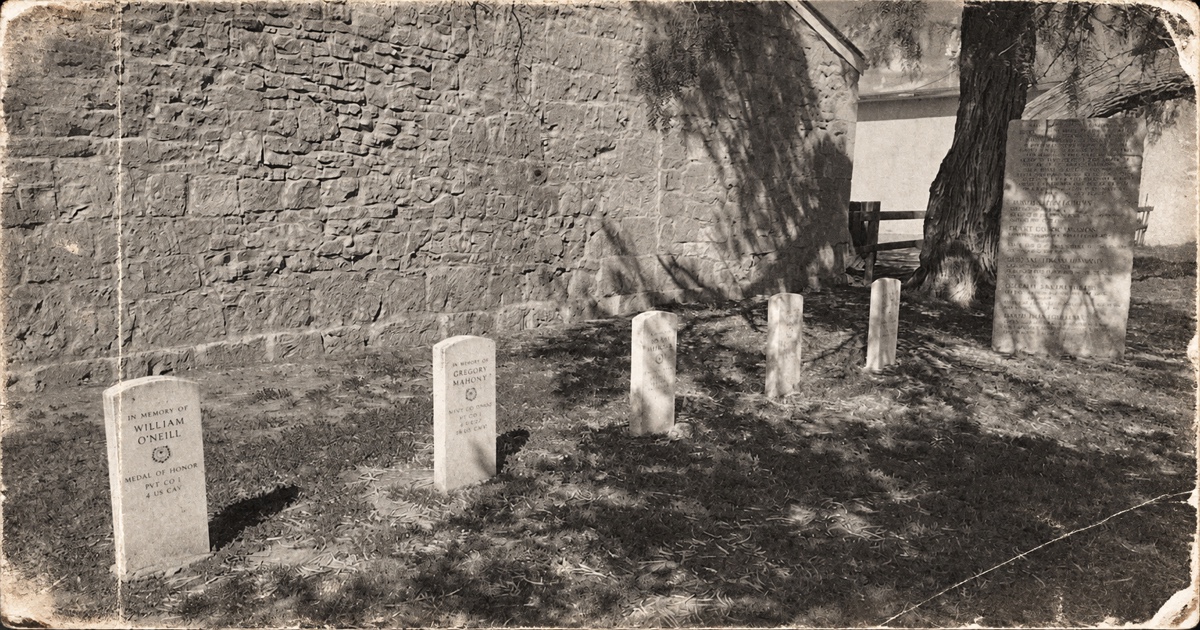
Martha’s Chapel Cemetery near Huntsville is a quieter kind of haunting location, the sort that depends less on spectacle than on setting. A Texas Historical Commission marker exists for the cemetery, which indicates recognized historical value. The site is associated with burial grounds and family memory rather than a long paper trail of paranormal documentation. (hmdb.org)
That leaves the spooky material in the category where it usually lives: local accounts, warnings, and oral tradition. Visitors have long repeated stories about whispers, apparitions, and mechanical trouble on the road in or out. None of that is independently confirmed here, but cemeteries often gather such stories because they sit at the edge of both grief and imagination. In the woods, with the historical marker nearby and the trees closing in, the line between remembrance and folklore can feel very thin.
Why these places keep the story alive
Taken together, these five locations show how Texas haunting legends are built: a jail that outlived its original townsite, a bar in one of Houston’s oldest buildings, a tunnel network below the city, a historic home with a complicated reputation, and a cemetery where history and rumor share the same ground. The documented past gives each place its shape; the ghost stories give it voltage. (atlas.thc.texas.gov)
The unresolved question is not whether these places are haunted in some absolute sense. It’s why certain buildings, streets, and burial grounds collect stories while others do not. In Texas, the answer may be that history never really leaves, only the language used to describe it changes after dark.