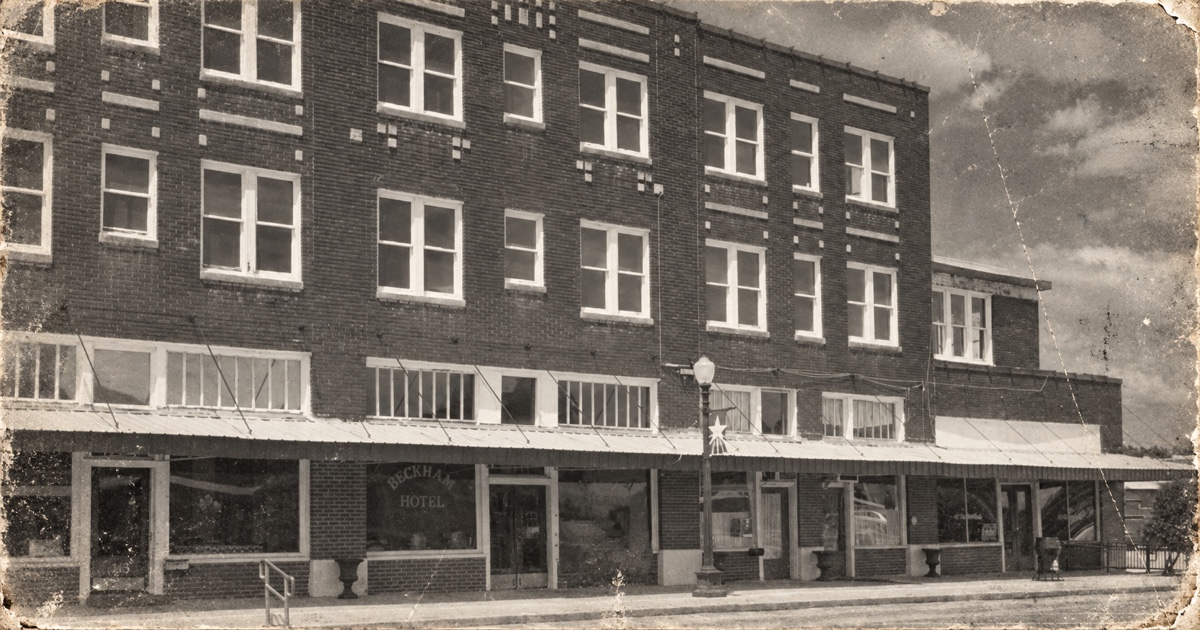
The downtown hotel that kept its stories
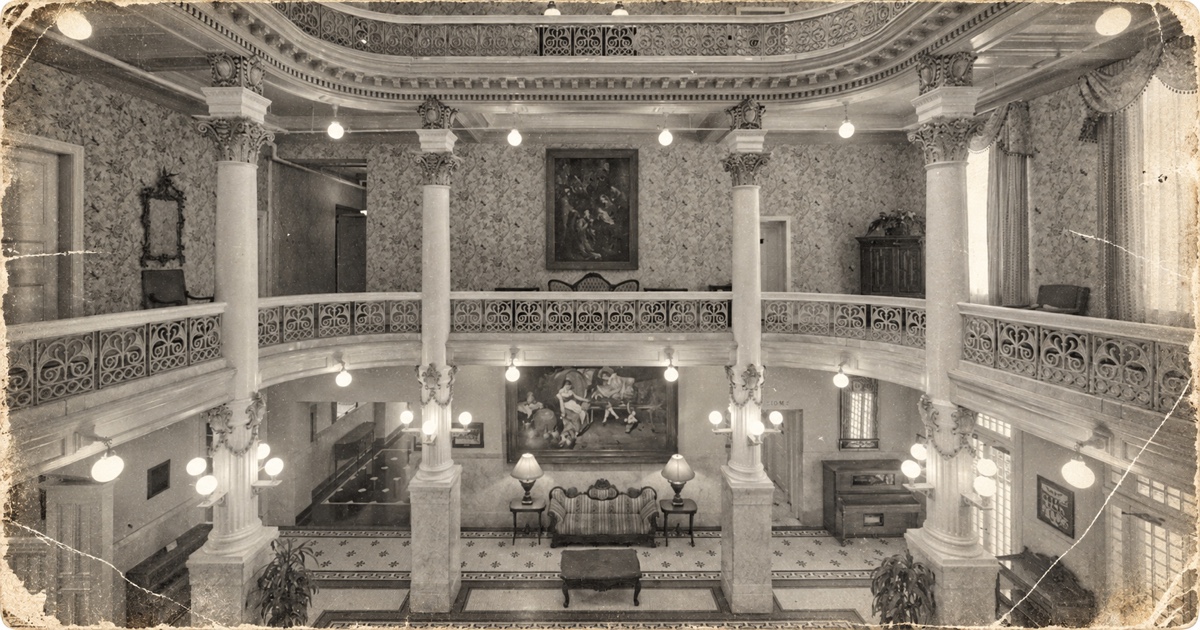
The Beckham Hotel sits at 115 East Commerce Street in downtown Mineola, where the building’s layered life is easier to verify than its hauntings. Historical records and the hotel’s own history note that the structure was built in the late 19th century, later purchased by James Lavega Beckham in 1920, formally established as the Beckham Hotel between 1921 and 1922, and expanded in 1928. The building also appears in the Mineola Downtown Historic District documentation as a historic commercial resource, with the hotel operating through the 1960s and the upper stories later left unoccupied. (mineolabeckhamhotel.com)
That part of the story matters, because old hotels attract ghost legends the way railroad towns attract train whistles: by repetition, memory, and atmosphere. The Beckham’s present-day use as a restored hotel, ballroom, and downtown destination gives those stories a setting that already feels a little haunted, even before anyone begins talking about room 202. (mineolabeckhamhotel.com)
The balcony story tied to room 202
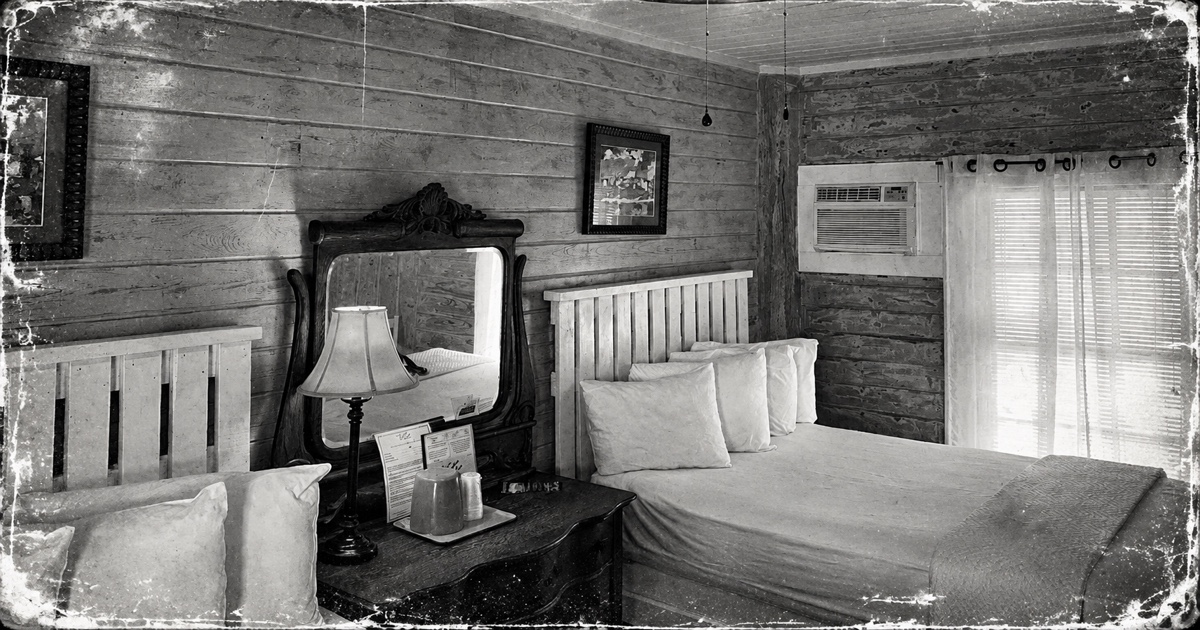
The most persistent Beckham Hotel legend centers on a young woman said to have died after falling from a balcony in or near room 202. In the legacy Ghost Texas version of the story, she is described as a guest who fell to her death while staying with her husband, and later witnesses are said to have seen her on the balcony or in the hallway, sometimes crying out for help.
That tale is best treated as folklore unless a primary record emerges to support it. The publicly available history sources reviewed for this article confirm the hotel’s development and renovation timeline, but they do not independently verify the specific balcony death, the room number, or the reported apparitions. Even so, the story has the shape of a classic hotel haunting: a private tragedy, a fixed location, and a room number that becomes more famous than the person attached to it. (mineolabeckhamhotel.com)
Smoke in the kitchen, and a fire in the record
Another Beckham legend says a man died in a kitchen fire and now appears near the hotel’s kitchen area, sometimes accompanied by the smell of smoke or unexplained noises. Here, the historical record does provide one important anchor: National Register documentation says the Beckham Hotel was built in 1928 after a fire the previous year burned an earlier structure. That is a documented fire in the building’s history, though it is not the same thing as a verified death in the kitchen. (npgallery.nps.gov)
That distinction is easy to blur in ghost stories. A fire leaves behind vivid sensory memory, smoke, heat, char, reconstruction, and those details often migrate into later legends. In the Beckham’s case, the kitchen apparition story may have grown in the shadow of a real fire event, but the available sources do not establish that a man died there. As with the balcony tale, the haunting remains a report, not a documented fact. (npgallery.nps.gov)
Why old hotels collect names, shadows, and claims
The Beckham’s appeal to paranormal storytellers is not hard to understand. It is a restored historic hotel in a downtown district shaped by rail commerce, and the National Register nomination describes the building as part of Mineola’s commercial history. Historic hotels often accumulate folklore because they hold so many overlapping human uses: lodging, dining, gatherings, staff routines, late-night arrivals, and years of remembered movement through the same halls. (npgallery.nps.gov)
The current hotel website also shows how the building has been reintroduced to the public as an active destination rather than a frozen relic. That matters because modern use does not erase older stories; it often gives them new audiences. A ballroom event, a restaurant reservation, or an overnight stay can all become part of the ongoing oral history that feeds a place like this. (mineolabeckhamhotel.com)
What can be said, and what still hangs in the hall
The Beckham Hotel’s documented history is strong: a late-1800s origin, a fire-and-rebuild chapter, James Beckham’s ownership, a 1920s expansion, and later restoration. The ghost stories are also real in a different sense, not as verified supernatural events, but as durable local narratives that continue to circulate around the building. (mineolabeckhamhotel.com)
That leaves the Beckham in the familiar place occupied by many haunted hotels: one foot in the record and one foot in the dark hallway beyond it. The question is not whether the building has stories. It clearly does. The harder question is which of those stories came from a witness, which came from repetition, and which began the moment a historic hotel in Mineola learned how to keep a secret.